

To celebrate the 30th anniversary of Weekly Shonen Jump, Shueisha ran a creator spotlight called “Great Jump!!” (すごい ジャン!!) to get some thoughts of their current artists about Jump. The creator spotlight started in the 1998 Weekly Shonen Jump issue 29 and continued through issues 33 with various different creators being highlighted.
The fourth part of this spotlight series continued with the 32nd Weekly Shonen Jump issue in 1998 with the following creators:
- Hirohiko Araki (Jojo’s Bizarre Adventure)
- Yuko Asami (Wild Half)
- Hajime Kazu (Meiryōtei Gotō Seijūrō)
- Shou Makura & Takeshi Okano (Hell Teacher Nube)
- Takehiko Inoue (Slam Dunk)
- Makoto Niwano (Base Boys)
This issue also featured 9 page timeline of the major milestones of the Weekly Shonen Jump magazine since 1968. It also featured a “Special Guest” interview with Hiroshi Motomiya and Go Nagai.
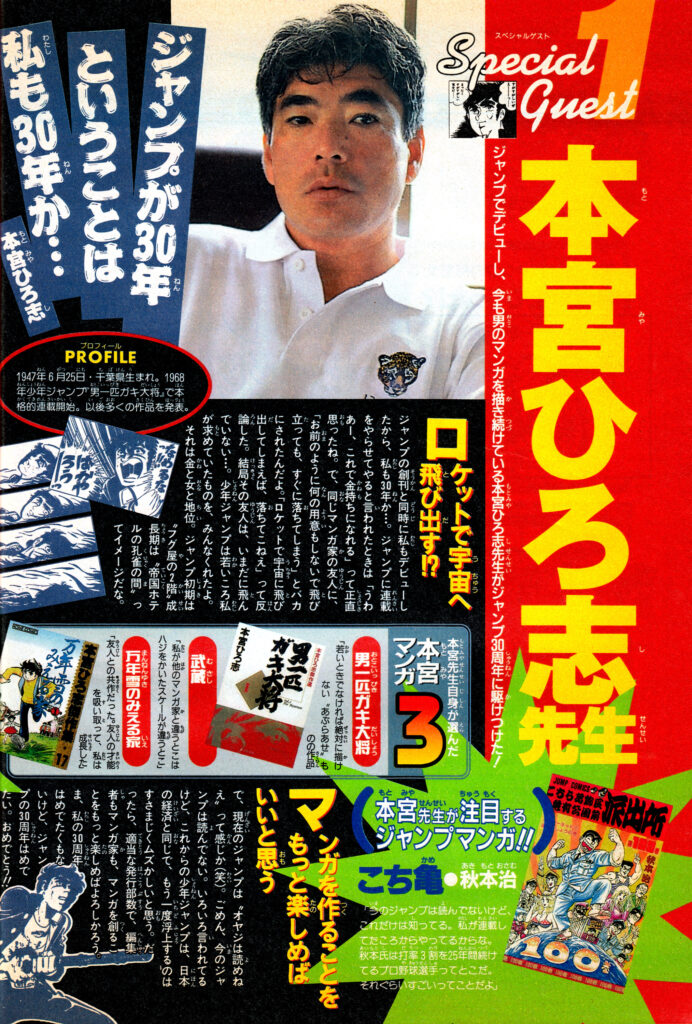
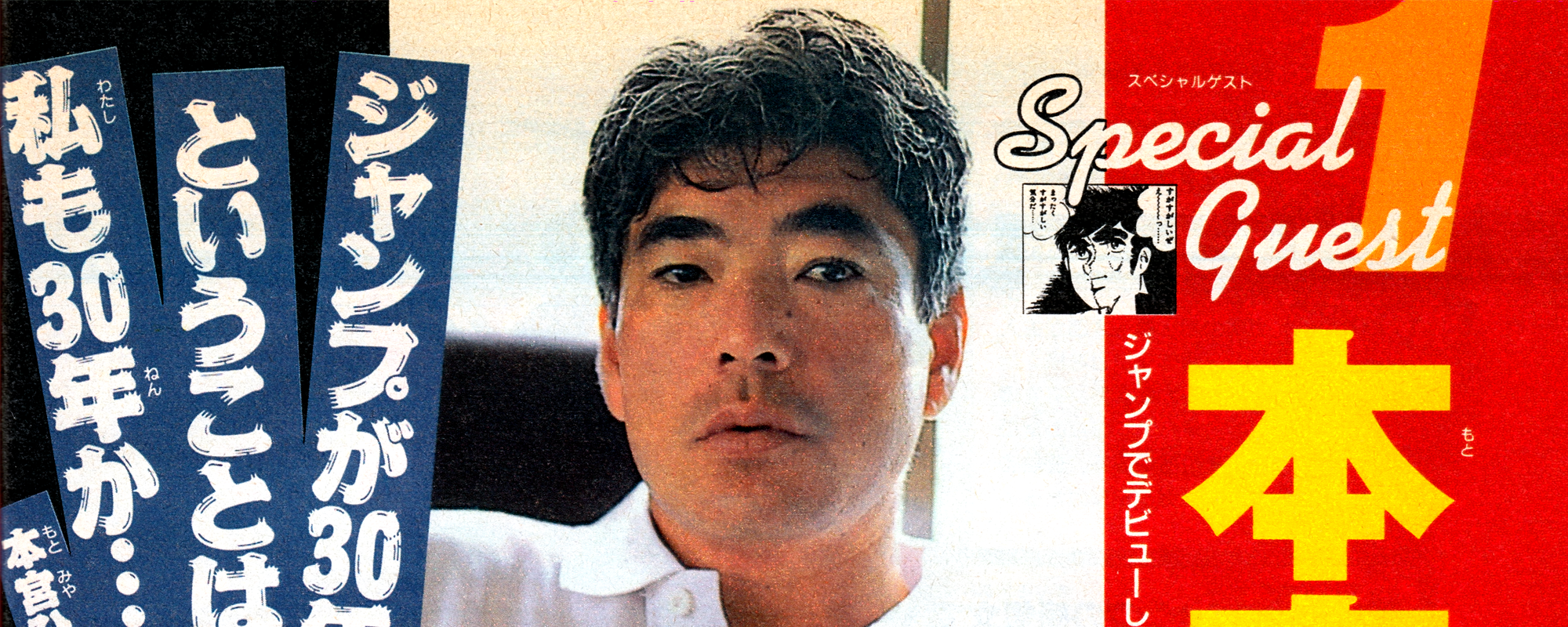
Hiroshi Motomiya (本宮ひろ志) was the first of the “Special Guest” interview section of this article. He previously had numerous manga series run in Weekly Shonen Jump magazine that went across decades.
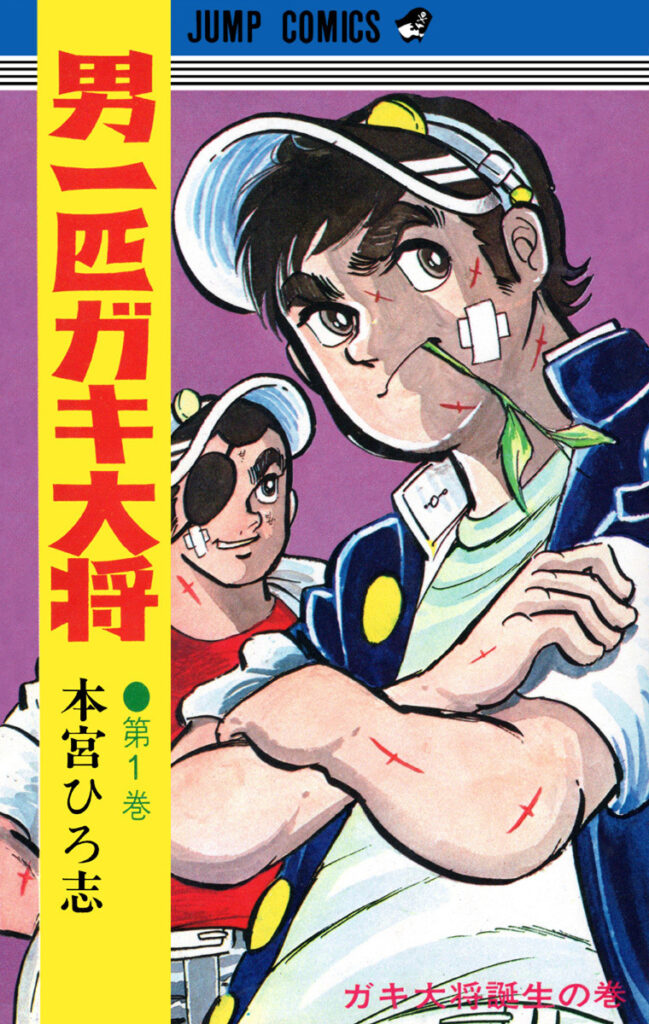
- Otoko Ippiki Gaki Daishou (男一匹ガキ大将) (1968-1973)
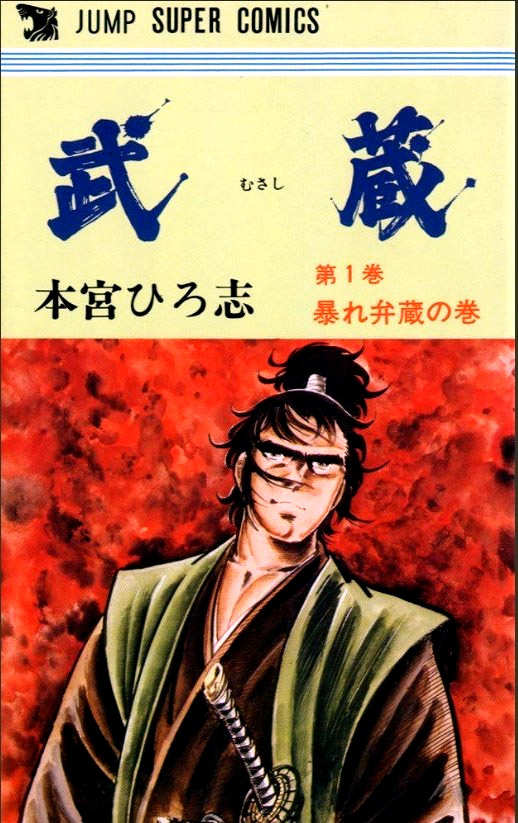
- Musashi (武蔵) (1972)
- Obora Ichidai (大ぼら一代) (1973-1975)
- Zero no Hakutaka (ゼロの白鷹) (1975-1976)
- Sawayaka Mantaro (さわやか万太郎) (1978-1979)
- Mannenyuki no Mieru Ie (万年雪のみえる家) (1979-1980)
- Yamazaki Ginjiro (山崎銀次郎) (1980-1981)
- Yabure Kabure (やぶれかぶれ) (1982-1983)
- Tenchi wo Kurau (天地を喰らう) (1983-1984)
- Bakudan (ばくだん) (1984-1985)
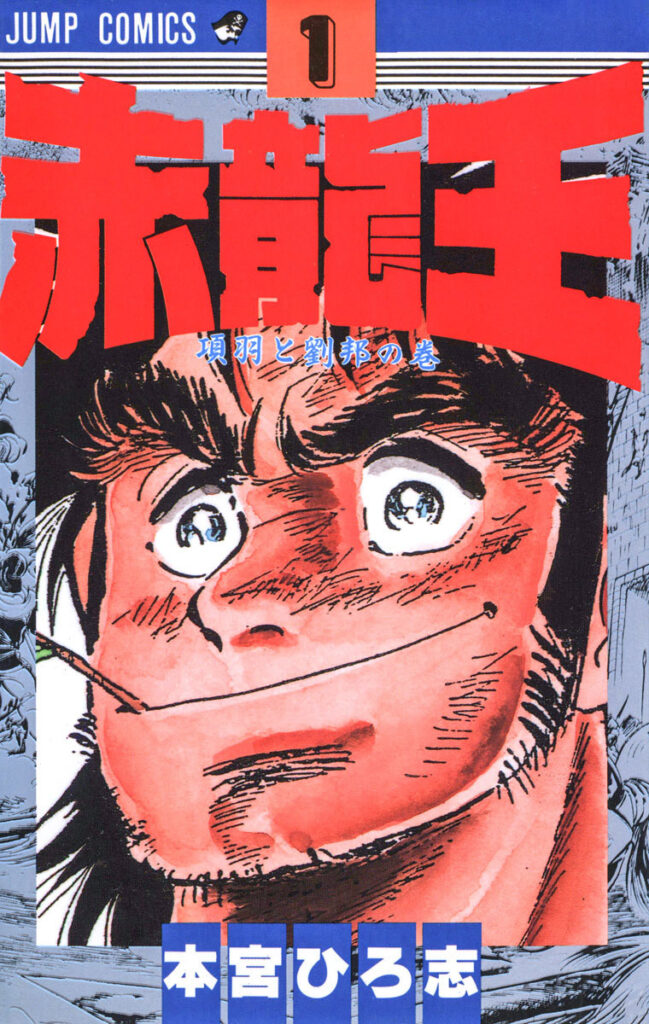
- Sekiryuo (赤龍王) (1986-1987)
Otoko Ippiki Gaki Daishou was the one of the first break-out hits of the magazine in its first year of publication. While being a mentor to numerous assistants and unique art style was a mainstay of his career. In the 1990s he moved to various other magazine publications in and beyond Shueisha creating numerous other series.
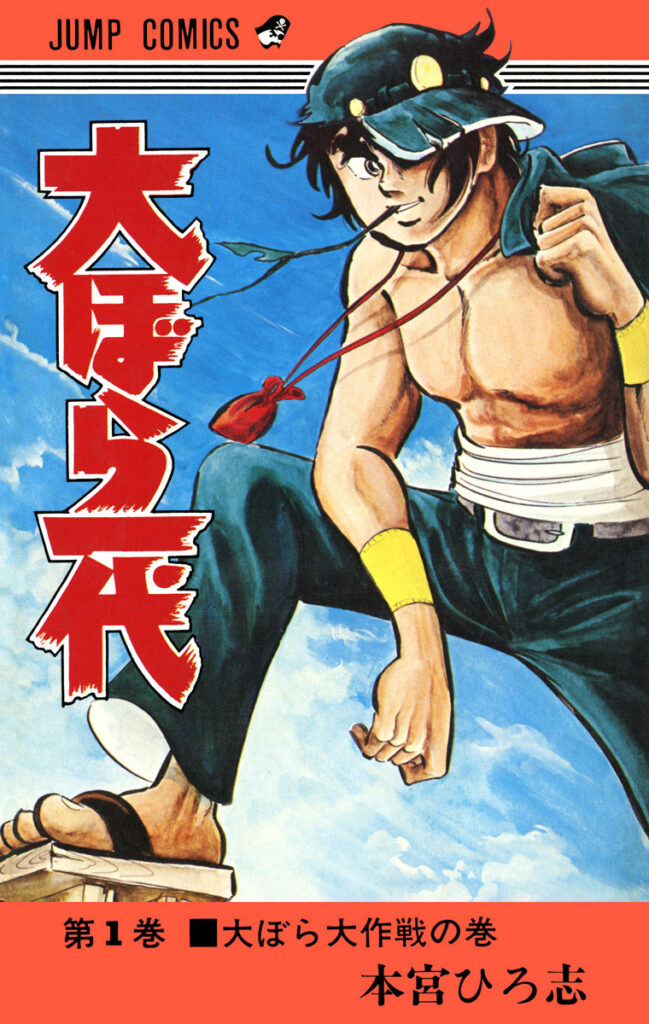
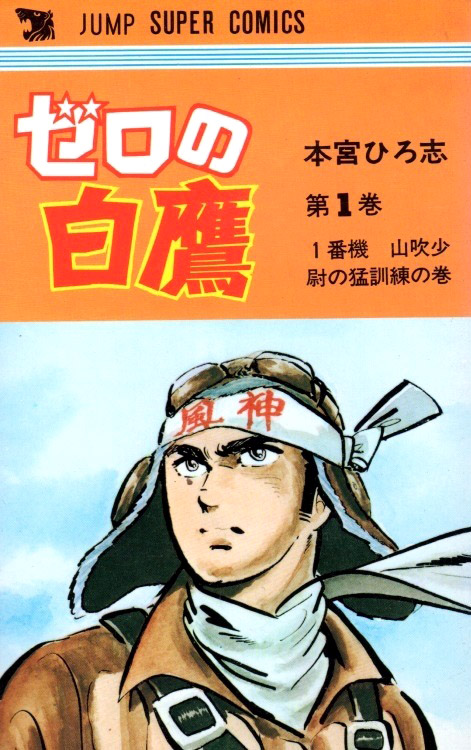
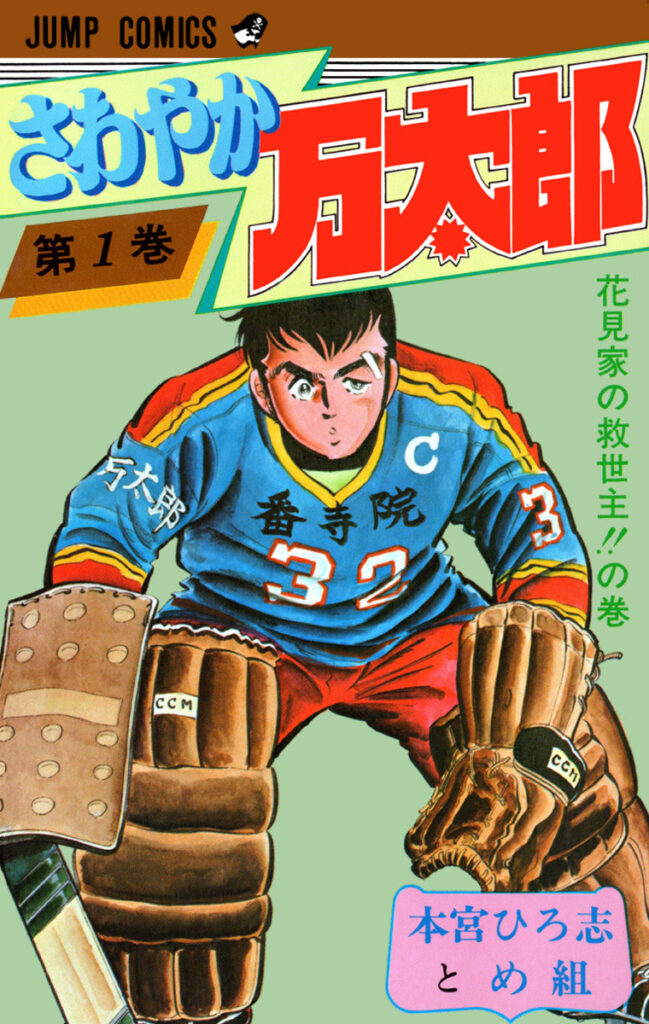
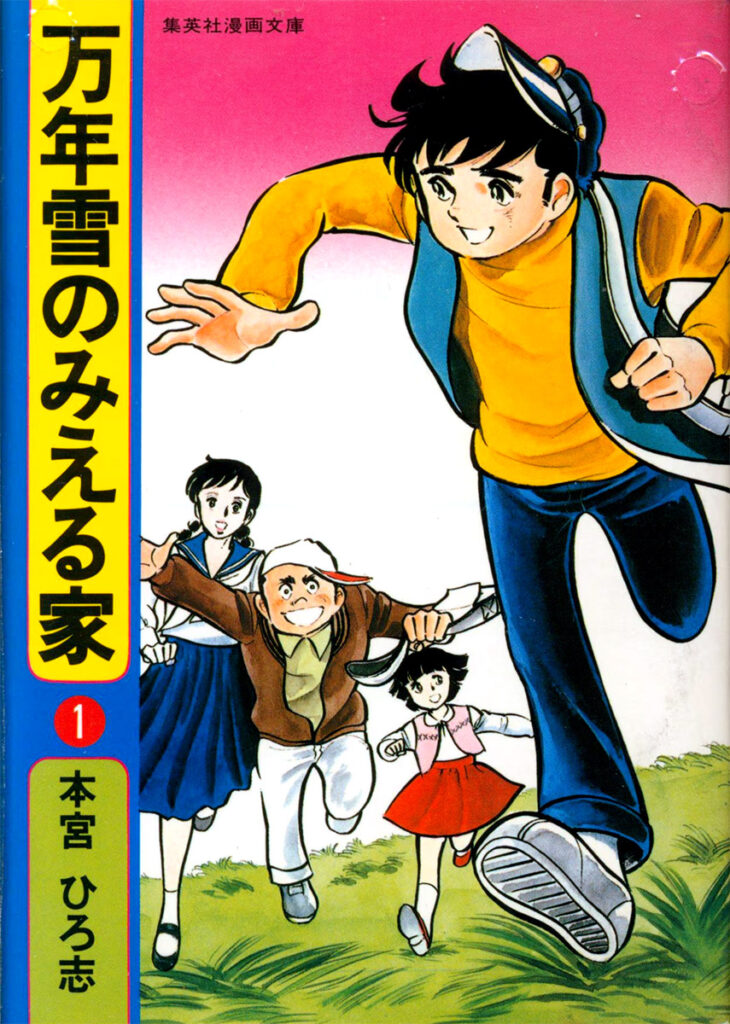
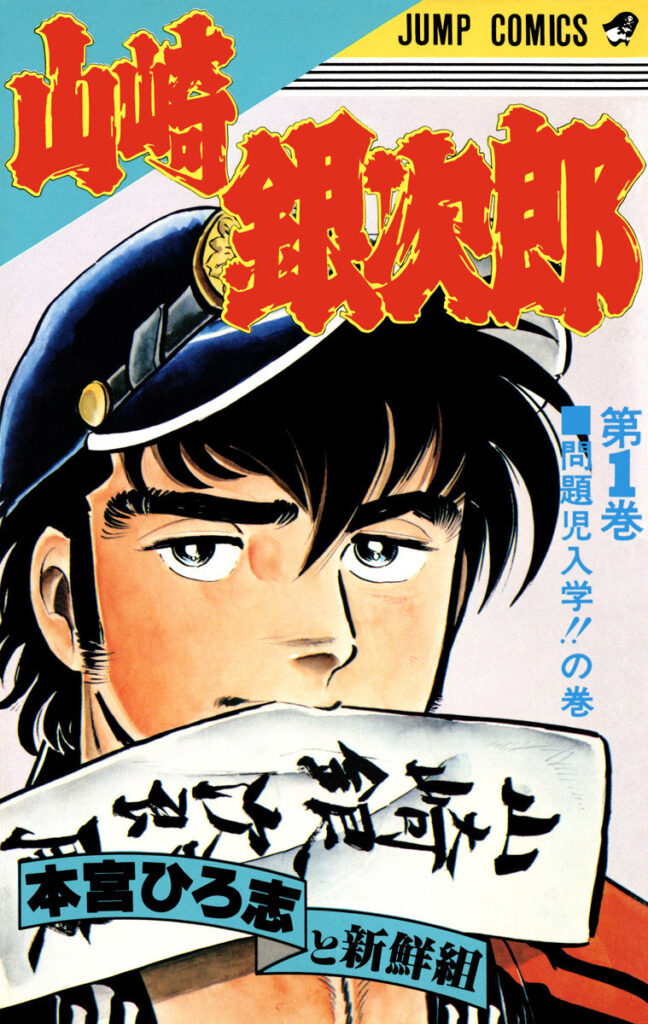
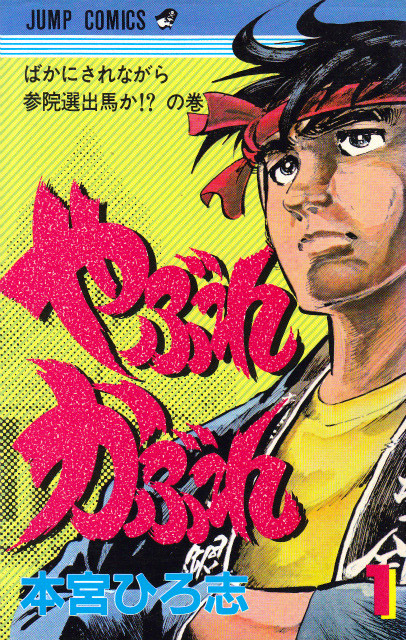
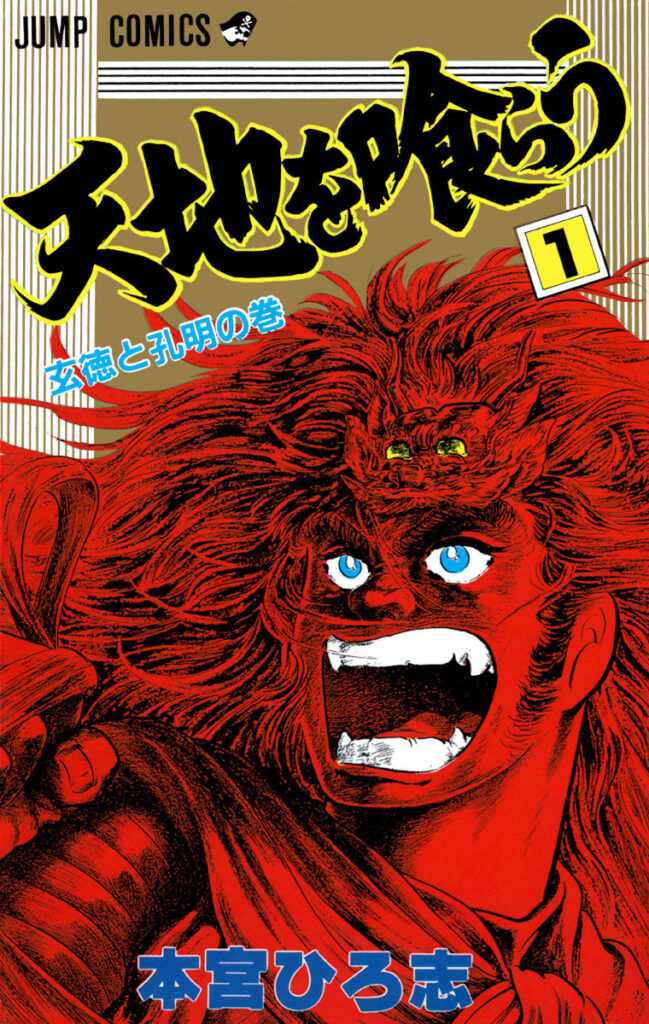
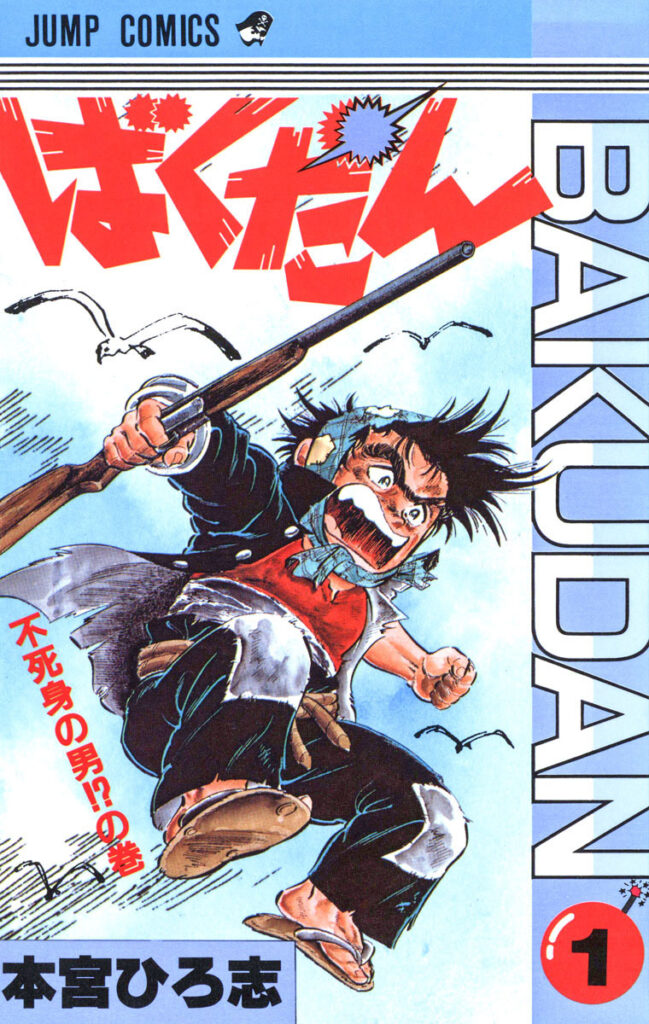
The article begins with asking the author about his memories of Weekly Shonen Jump, which have been roughly translated below:
ジャンプの創刊と同時に私もデビューしたから、私も30年か・・・。ジャンプに連載をやらせてやると言われたときは「うわあー、これで金持ちになれる」って正直思ったね。で、同じマンガ家の友人に、「お前のように何の用意もしないで飛び立っても、すぐに落ちてしまう」とバカにされたんだよ。「ロケットで宇宙に飛び出してしまえば、落ちてこねえ」って反論した。結局その友人は、いまだに飛んでいない・・・。少年ジャンプは若いころ私が求めていたものを、みんなくれたよ。それは金と女と地位。ジャンプ初期は”フグ屋の2階”成長期は”帝国ホテルの孔雀の間”ってイメージだな。
I had my debut at the same time that Jump was getting started, so this has been 30 years for me too… When I was told I would be serialized in Jump my first thought was “Wow, I’m going to be rich.” But my friend who is also a mangaka joked to me “If I took off without any preparation like you, I’d crash immediately.” I retorted back with “But if you take off in a rocket ship, it’s impossible to fall back down.” In the end, that friend hadn’t quite flown yet… But Shonen Jump did give me everything I wanted in my youth. I had money, women, and fame. I watched from the early days of Jump go from the “2nd floor of a fugu restaurant” to the “Peacock Room of the Imperial Hotel.”
Traditionally, the editorial staff at Weekly Shonen Jump hold an end-of-year celebration for the mangaka and Shueisha staff. Hiroshi Motomiya’s comment at the end, is likely in reference to this. Due to the size and expansive growth of the magazine, the venue for this celebration had expanded over the years and the Imperial Hotel in Tokyo is an expensive luxury hotel. In 2024, a single night stay in one of the hotel rooms is over 100,000 yen for the cheapest option. The Peacock Room at the Imperial Hotel is their largest venue which can hold up to 1800 people (in a stage/seating arrangement).
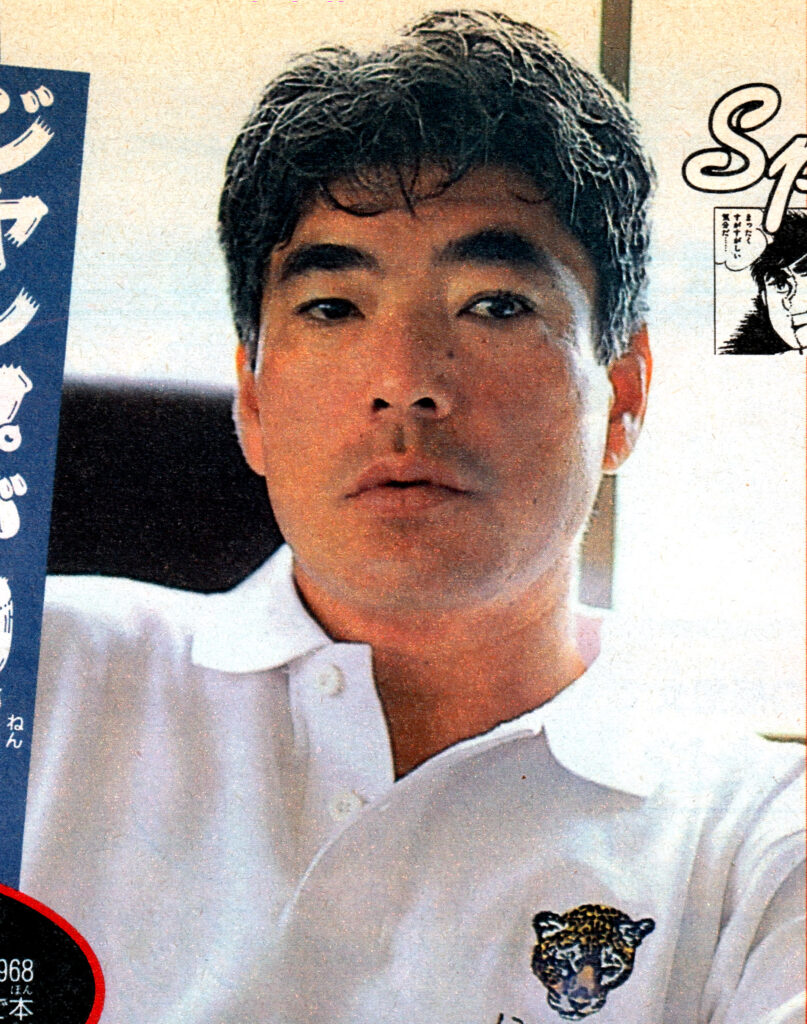
Next in the article Hiroshi Motomiya picks his top 3 favorite manga series in Weekly Shonen Jump and provides a brief comment about it which have been roughly translated.
Otoko Ippiki Gaki Daishou
「若いときでなければ絶対に描けない”あぶらあせ”ものの作品」
“This is a series based in ‘sweat and oil’ is something you can only do in your youth.”
Musashi
「私が他のマンガ家と違うとこはハジをかいたスケールが違うとこ」
“What sets me apart from other mangakas is the scale of my work.”
Mannenyuki no Mieru Ie
「友人との共作だった。友人の才能を吸い取って、私は成長した」
“This was a collaboration with a friend. I grew as an artist by learning from my talented friend.”
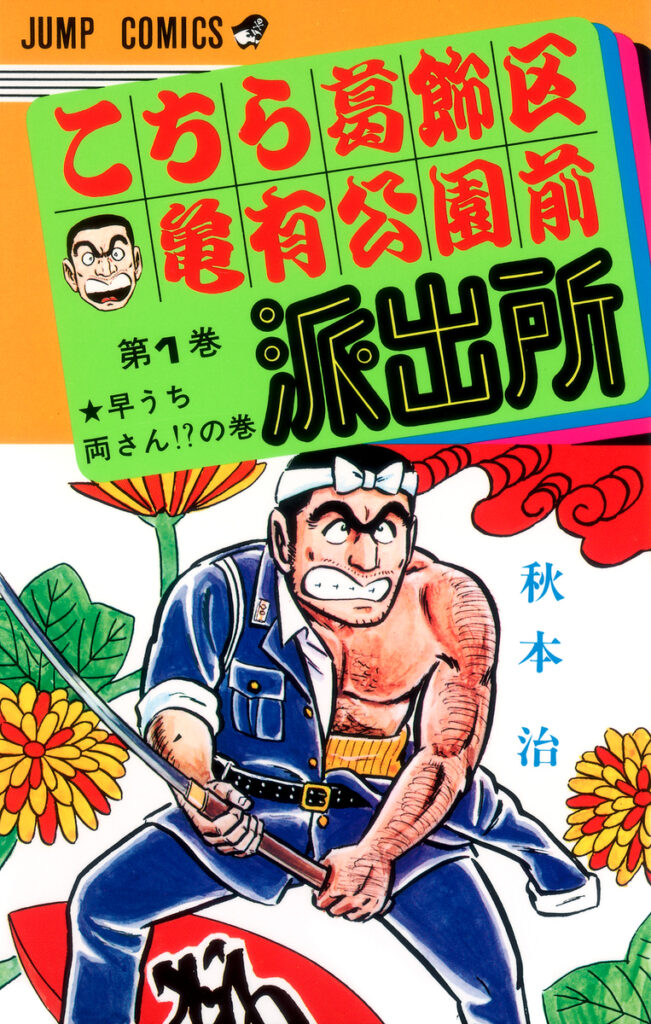
Next in the article Weekly Shonen Jump asks what is a series that Hiroshi Motomiya has his eye on. His comment for Kochira Katsushika-ku Kameari Koen-mae Hashutsujo (こちら葛飾区亀有公園前派出所), better known just as “Kochikame” is roughly translated:
「今のジャンプは読んでないけど、これだけは知ってる。私が連載してたころからやってるからな。秋本氏は打率3割を25年間続けてるプロ野球選手ってとこだ。それぐらいすごいってことだよ」
“I don’t read the current Jump, but I do know this series. It has been around since I was still serialized in the magazine. Akimoto-san is like a professional baseball player who has had a batting average of .300 for the last 25 years. That’s how amazing he is.”
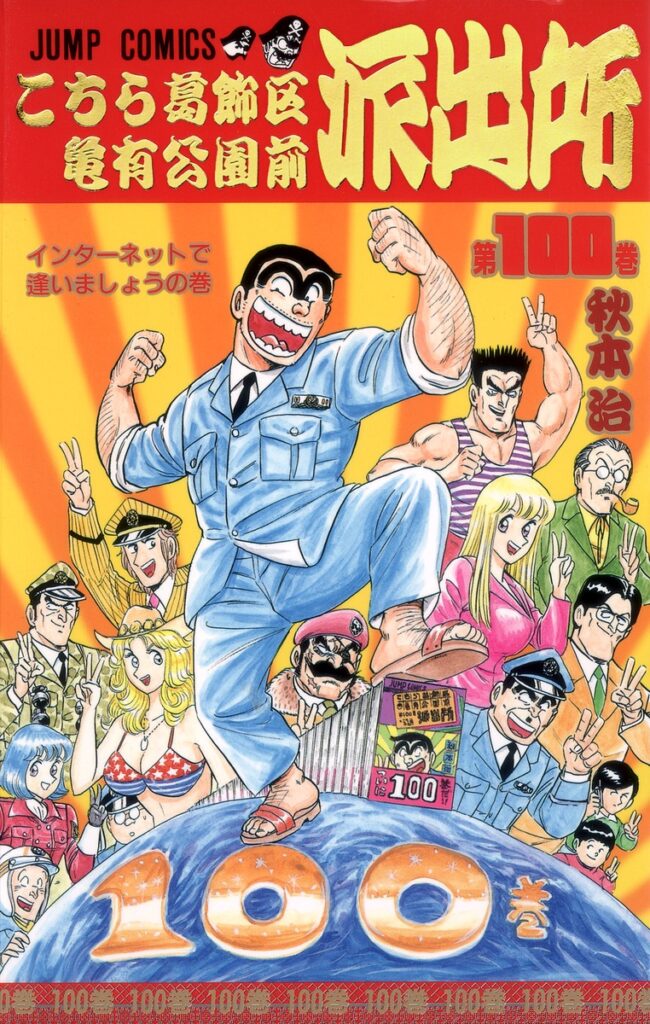
Kochira Katsushika-ku Kameari Koen-mae Hashutsujo, by Osamu Akimoto (秋本治) started its serialization in Weekly Shonen Jump issue 42 in 1976. At the time of this article’s publication in 1998, it had its 1079th chapter. The 100th volume, featured in this article, was published in Japan on November 1, 1996. The series would end its standard serialization in 2016 with the 1958th chapter but would have several oneshot chapters since then about once a year.
The article end with asking the author about the future of manga and Weekly Shonen Jump, which have been roughly translated below:
で、現在のジャンプは”オヤジは読めねえ”って感じか(笑)。ごめん、今のジャンプは読んでない。いろいろ言われてるけど、これからの少年ジャンプは、日本の経済と同じで、もう一度浮上するのはすさまじくムズかしいと思う。だったら、適当な発行部数で、編集者もマンガ家も、マンガを創ることをもっと楽しめばよろしかろう。ま、私の30周年はめでたくもないけど、ジャンプの30周年はめでたい。おめでとう!!
Well, the current Jump is in a state that “old men aren’t reading it” (laughs). Sorry, I’m not keeping up with Jump. It can be said about a lot of things, Shonen Jump included, just like the Japanese economy, recovery can be incredibly difficult and long. If that’s the case, I hope that it can still have a reasonable number of copies published so the editors and mangakas can still enjoy creating more manga. Even though I’m not celebrating my 30th anniversary, Jump’s 30th anniversary is important. Congratulations!!


