
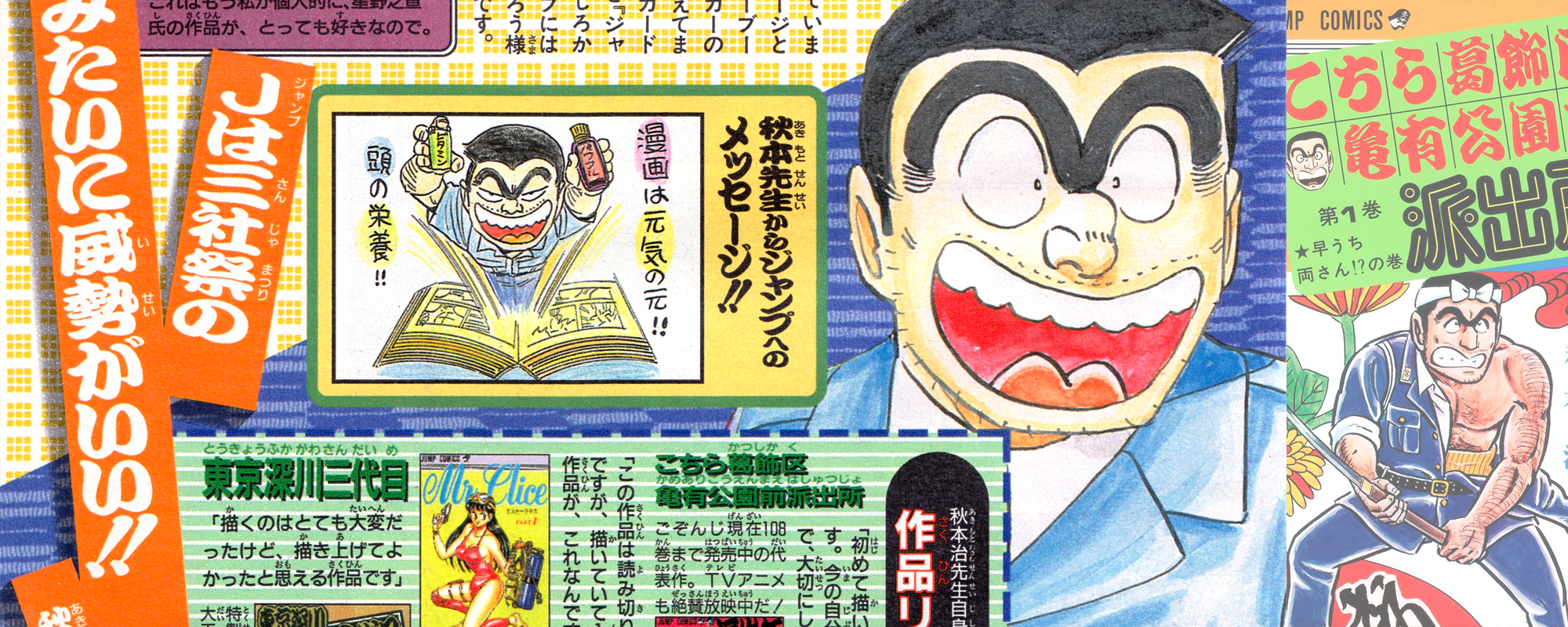
To celebrate the 30th anniversary of Weekly Shonen Jump, Shueisha ran a creator spotlight called “Great Jump!!” (すごい ジャン!!) to get some thoughts of their current artists about Jump. The creator spotlight started in the 1998 Weekly Shonen Jump issue 29 and continued through issues 33 with various different creators being highlighted.
The final part of this spotlight series continued with the 33rd Weekly Shonen Jump issue in 1998 with the following creators:
- Osamu Akimoto (Kochira Katsushika-ku Kameari Kōen Mae Hashutsujo, “Kochikame”)
- Haruto Umezawa (Hareluya II Boy)
- Kazushi Hagiwara (Bastard!! Heavy Metal, Dark Fantasy)
- Daisuke Higuchi (Whistle!)
- Yoshihiro Togashi (Hunter x Hunter)
The manga series Kochira Katsushika-ku Kameari Koen-mae Hashutsujo (こちら葛飾区亀有公園前派出所) was currently serialized in Weekly Shonen Jump by Osamu Akimoto (秋本 治). Originally started under the pen name Tatsuhiko Yamadome (山止たつひこ), the series started in 1976 with the 42nd issue. As of the time this article was printed in Weekly Shonen Jump in 1998, the series was on its 1080th chapter. The 100th volume, featured in this article, was published in Japan on November 1, 1996. The series would end its standard serialization in 2016 with the 1958th chapter but would have several oneshot chapters since then about once a year.
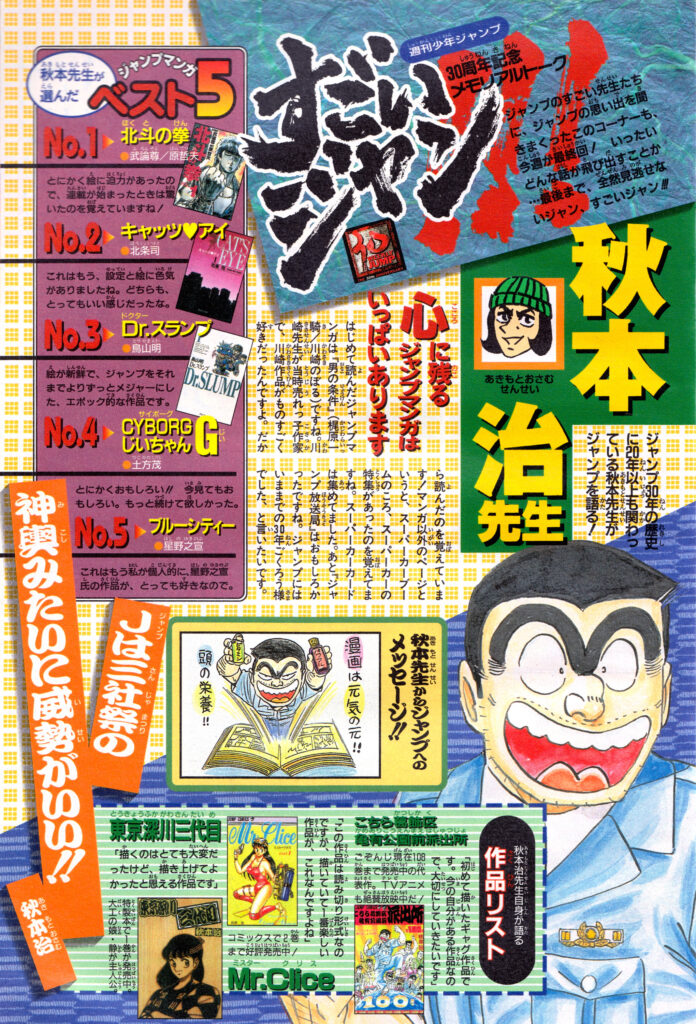
The article begins with asking Osamu Akimoto about his memories of Weekly Shonen Jump, which have been roughly translated below:
はじめて読んだジャンプマ ンガは『男の条件』(梶原一騎 / 川崎のぼる)ですね。川崎先生が当時売れっ子作家で、川崎作品がものすごく好きだったんですよ。だから読んだのを覚えています!マンガ以外のページというと、スーパーカーブームのころ、スーパーカーの特集があったのを覚えてますね。スーパーカーカードは集めてました。あと『ジャンプ放送局』はおもしろかったですね。ジャンプにはいままでの30年ごくろう様でした、と言いたいです。
The first Jump manga I ever read was “Otoko No Joken” (by Ikki Kajiwara & Noboru Kawasaki). Kawasaki-sensei was already a best-selling artist at the time, so I already loved his work. That’s why I remember picking that up! Speaking of other parts besides manga, I remember there was a special feature about supercars during the supercar boom. I love collecting supercar cards. And “Jump Broadcasting Station” was interesting too. I want to say thank you to Jump for these past 30 years.
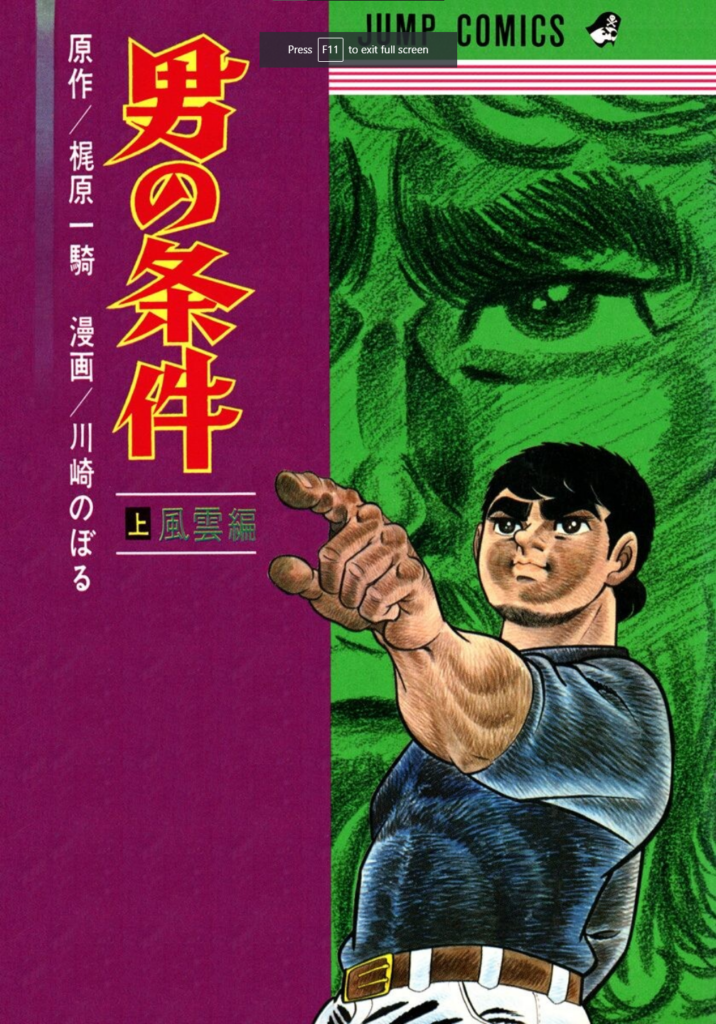
Otoko No Joken (男の条件), was written by Ikki Kajiwara (梶原一騎) and illustrated by Noboru Kawasaki (川崎のぼる) when it was published in Weekly Shonen Jump in 1968 which ran for 19 chapters. The artist, Noboru Kawasaki, later went on to provide the illustrations for Dodo Yaro (どうどう野郎), Koya no Shonen Isamu (荒野の少年イサム), and Hana mo Arashi mo (花も嵐も) in Weekly Shonen Jump. The duo’s rise to fame was with Star of the Giants (巨人の星) which began publishing in Kodansha’s Weekly Shonen Magazine in 1966.
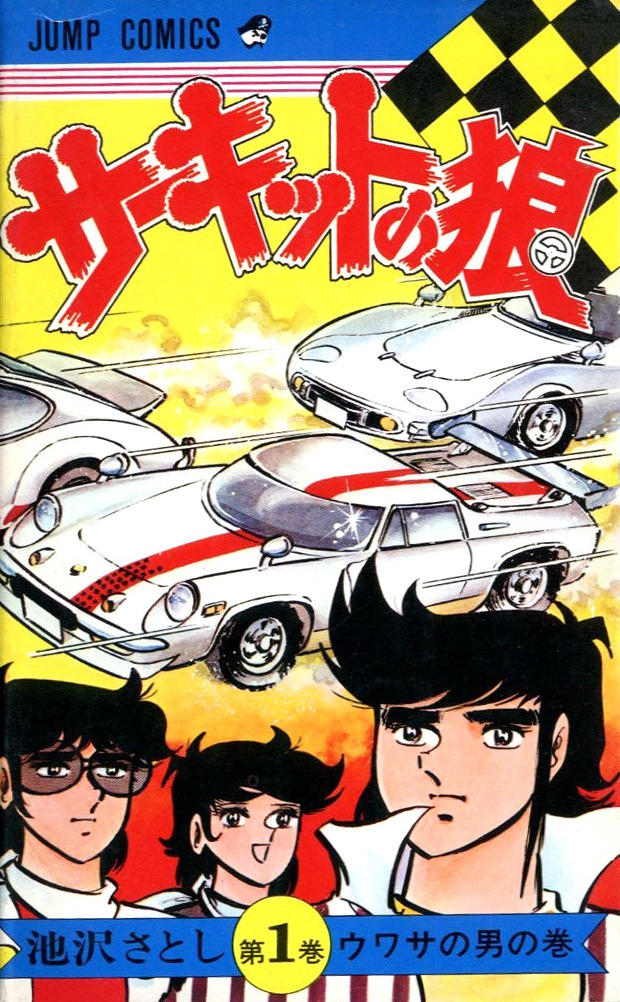
The Japanese Nostalgic Car blog, wrote a article in November 2022 which they highlight the “supercar boom” to the Weekly Shonen Jump manga Circuit Wolf (サーキットの狼) by Satoshi Ikezawa (池沢さとし) that started in 1975. “Supercars” in Japan would be an encompassing term for any exotic or expensive foreign-based cars that gained popularity based on their limited production runs and unique designs. Various playing cards would also take advantage of these fads by using photos of these supercars.
The Jump Broadcasting Station (ジャンプ放送局) was a reader submission column that ran in Weekly Shonen Jump from October 1982 through December 1995. The column was formatted to parody a TV station, with a logo and name that was similar to TBS (Tokyo Broadcasting Station) and rotated topics and stories as if they were television programs. Fans could also submit postcards with their own drawings on them to be featured in the column and could compete for points to win prizes.
Next in the article, Osamu Akimoto provides his top 5 manga recommendations along with his thoughts which have been roughly translated.
Fist of the North Star
とにかく絵に迫力があったので、連載が始まったときは驚いたのを覚えていますね!
The illustrations are so powerful, I remember being amazed when the series first started!
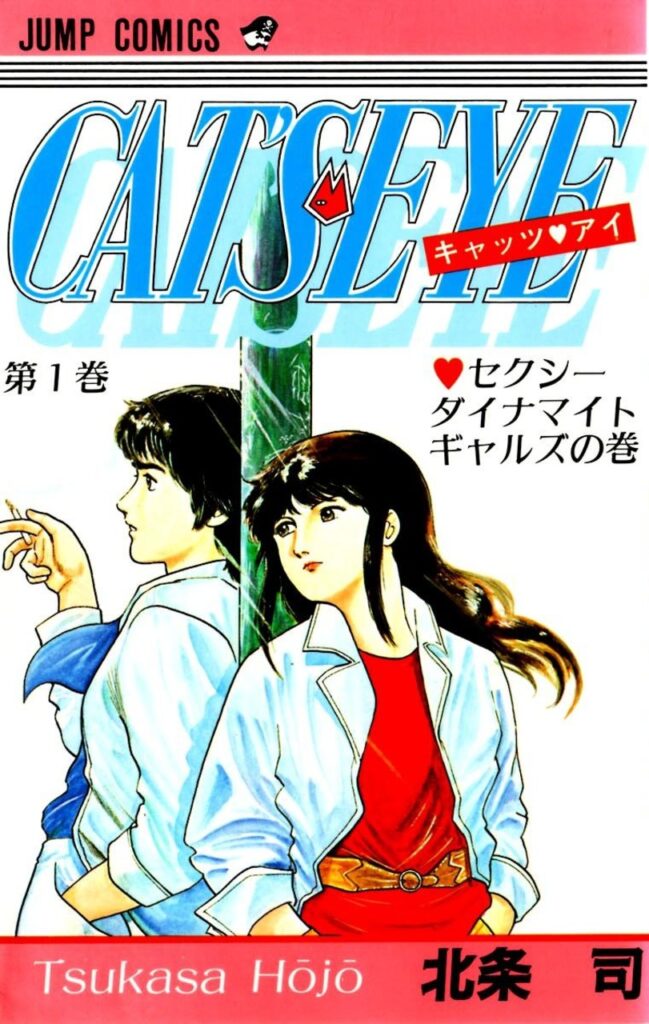
Cat’s Eye
これはもう、設定と絵に色気がありましたね。どちらも、とってもいい感じだったな。
This is very sexy in both the setting and with the illustrations. It paired very well.
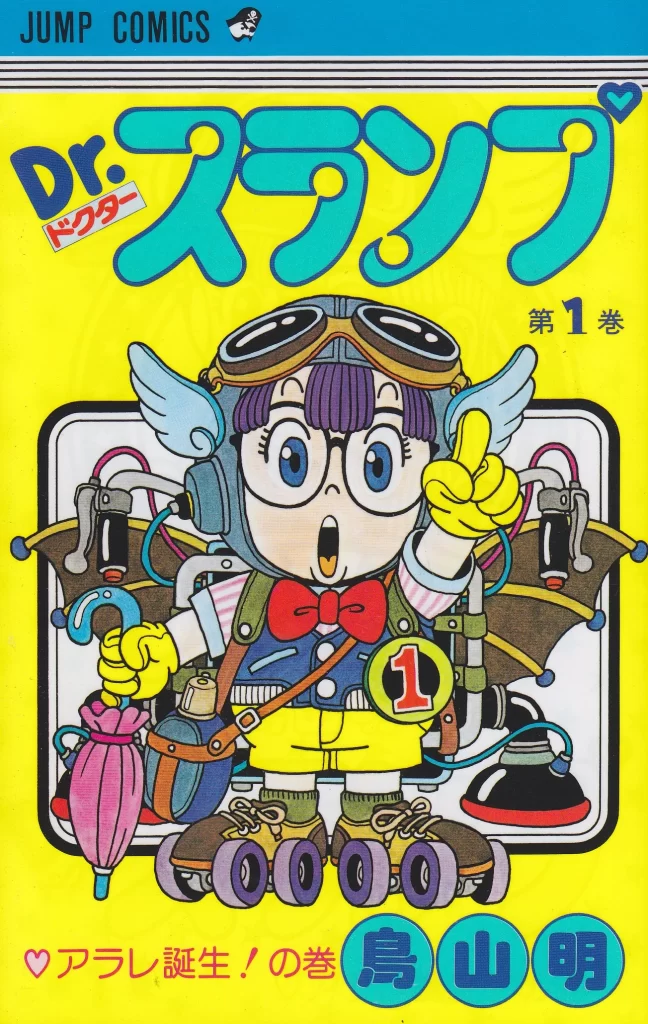
Dr. Slump
絵が新鮮で、ジャンプをそれまでよりずっとメジャーにした、エポック的な作品です。
The illustrations were such a fresh take that it grew Jump’s popularity even higher than it was before.
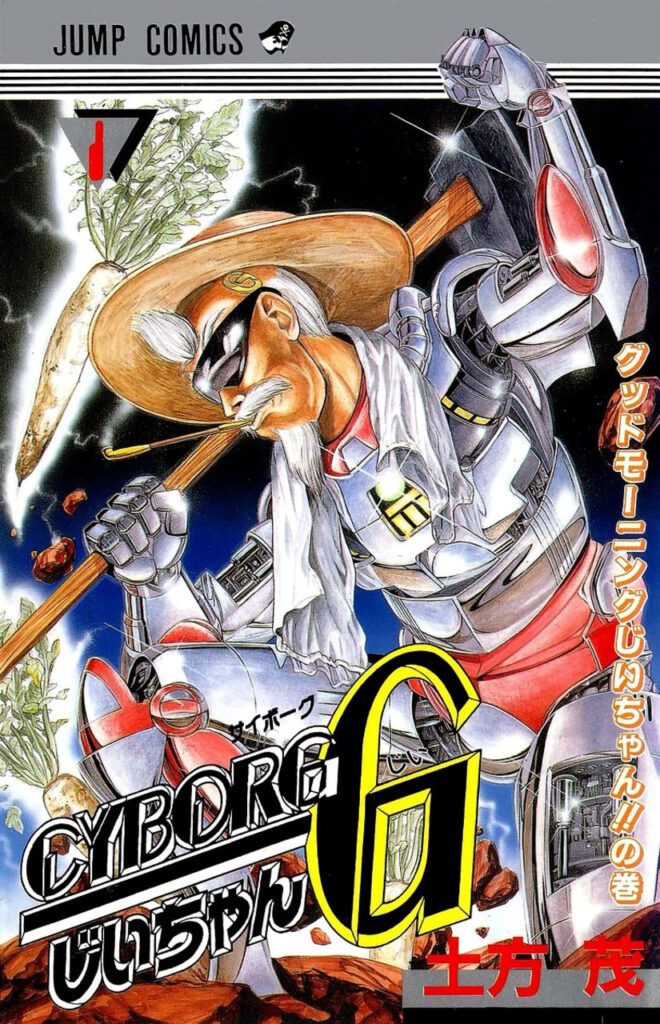
Cyborg Grandpa G
とにかくおもしろい!! 今見てもお もしろい。もっと続けて欲しかった。
It’s just interesting!! It is fun to read even now. I wish it was able to continue.
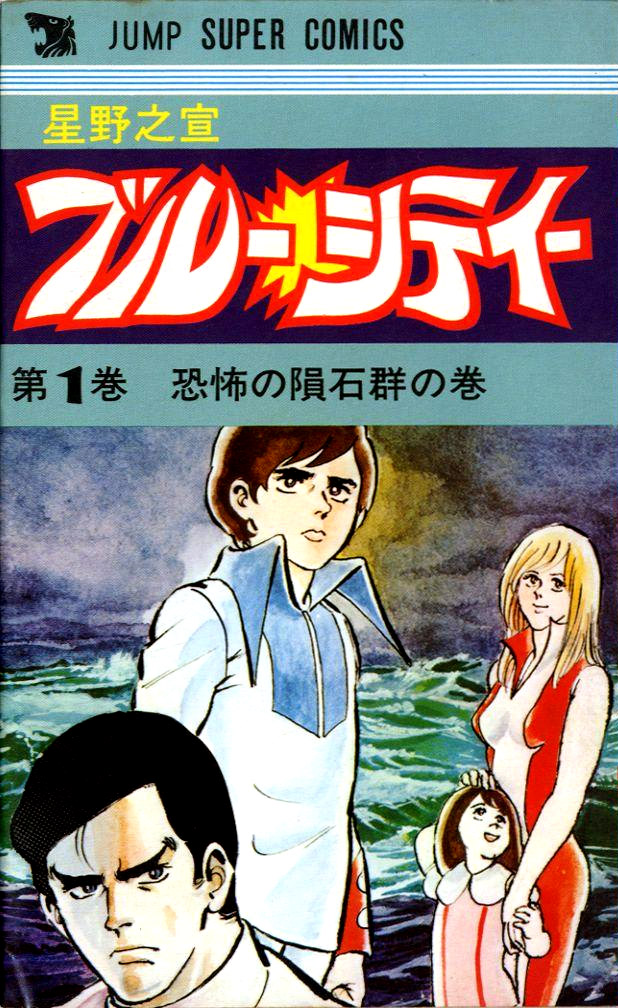
Blue City
これはもう私が個人的に、星野之宣氏の作品が、とっても好きなので。
I love Yukinobu Hoshino’s works so much, I need to recommend this.
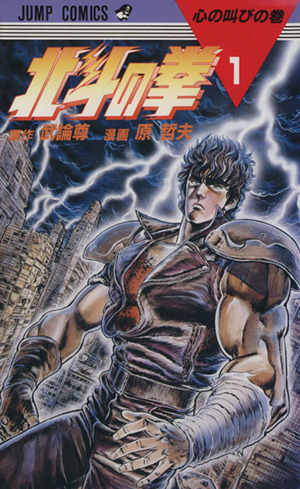
Fist of the North Star (北斗の拳), by Tetsuo Hara (Art) and Buronson (Story) ran from 1983 (issue 41) through 1988 (issue 35) for a total of 245 chapters in Weekly Shonen Jump. The series is currently being published in English by Viz Media.
Cat’s Eye (キャッツ♥アイ), by Tsukasa Hojo (北条司) ran from 1981 through 1984 in Weekly Shonen Jump for a total of 157 chapters. Tsukasa Hojo would then later create City Hunter in this expanded universe starting in 1985. The Cat’s Eye manga is currently being released digitally in English on the MangaHot digital service.
Dr. Slump (Dr. スランプ), by Akira Toriyama (鳥山明) was one of the most popular manga series in Weekly Shonen Jump when it ran from 1980 through 1984 for a total of 236 chapters. The series is currently published in English by Viz Media.
Cyborg Grandpa G (CYBORGじいちゃんG), ran in Weekly Shonen Jump for only 32 chapters in 1989. The author was listed as Shigeru Hijikata (土方茂). This was a penname for Takeshi Obata (小畑 健) who would later be the artist for future popular works in Weekly Shonen Jump with series Hikaru No Go, Death Note, and Bakuman. At the time of the publishing of this original article (1998), the Hikaru No Go series wouldn’t begin until the following year. After dropping this pen name, he was having series published as the artist in Weekly Shonen Jump with Arabian Majin Boukentan Lamp Lamp (アラビアン魔神冒険譚 ランプ・ランプ) in 1991 and Rikijin Densetsu (力人伝説) in 1992.
Blue City (ブルーシティー), by Yukinobu Hoshino (星野之宣) was first published in Weekly Shonen Jump in 1976 and only ran for 18 chapters. He would later have a 7 chapter series, Kyojin-tachi no Densetsu (巨人たちの伝説) run in Weekly Shonen Jump in 1977. Afterwards he had his works published in other magazines, such as Weekly Young Jump.
Osamu Akimoto also provided an illustration and a handwritten message to his fans in the article. The text in the illustration roughly translates to “Manga is a source of energy!!” “It’s nutrition for the mind!!”. Ryo-san, the protagonist of Kochikame is holding up two bottles which are labeled “powerful” and “vitamins.”
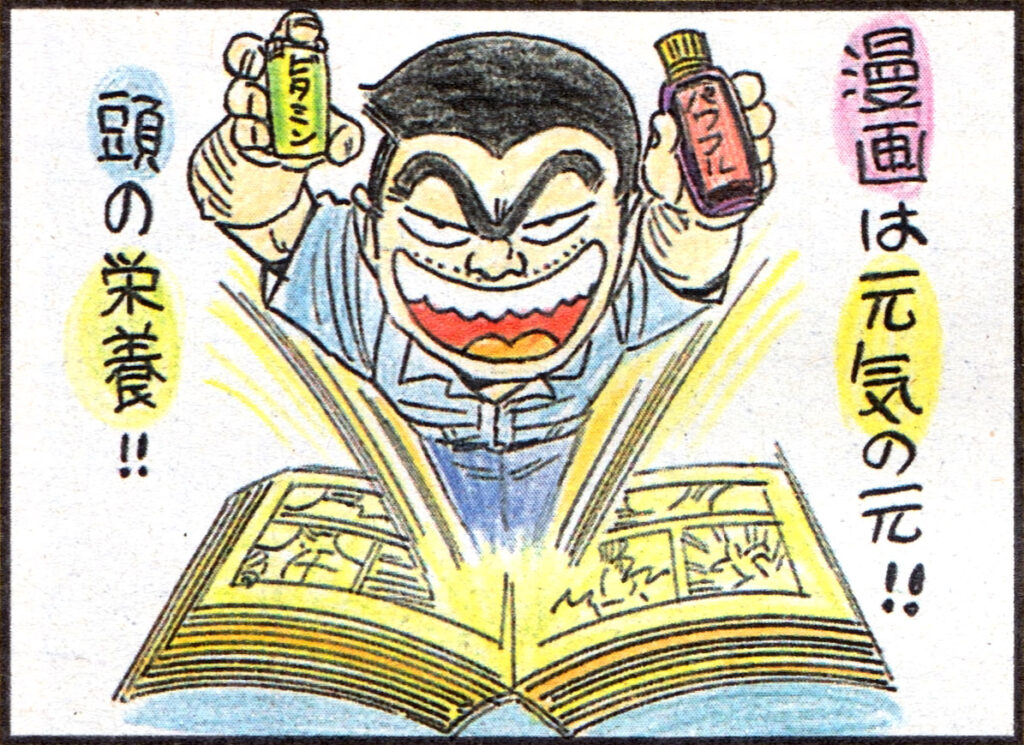
The article concludes with, Osamu Akimoto giving some comments on his manga series which have been roughly translated below.
Kochira Katsushika-ku Kameari Koen-mae Hashutsujo (Kochikame)
「初めて描いたギャグ作品です。今の自分がある作品なので、大切にしていきたいです」
“This is the first gag series I ever made. It is the work that made me who I am today, so I will always cherish it.”
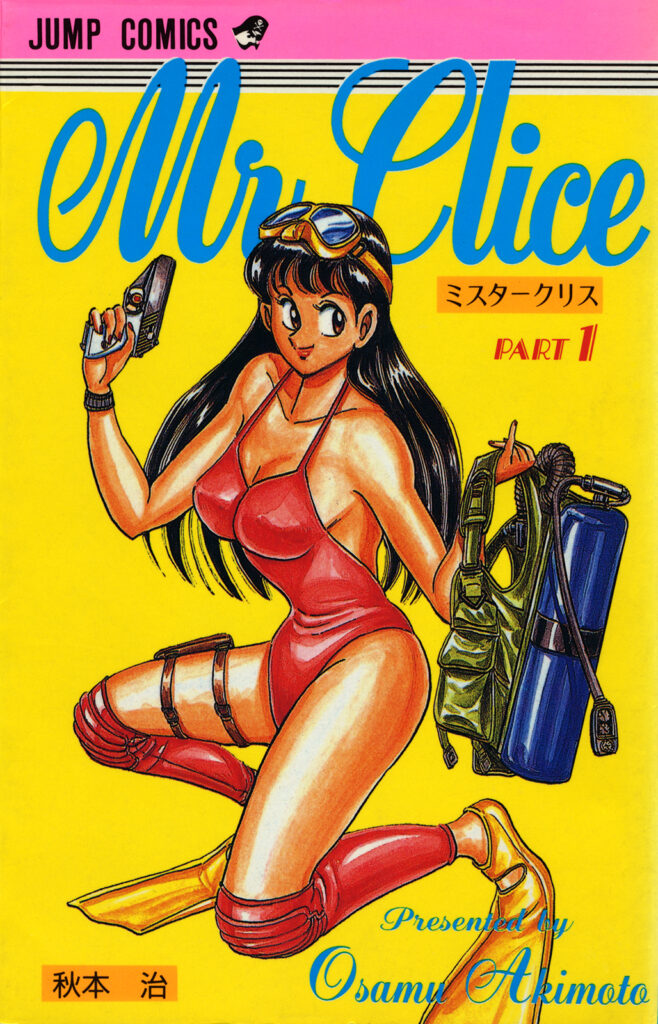
Mr. Clice
「この作品は読み切り形式なのですが、描いていて一番楽しい作品が、これなんですよね」
“While this may be just a one-shot series, it was the most fun I had while drawing it.”
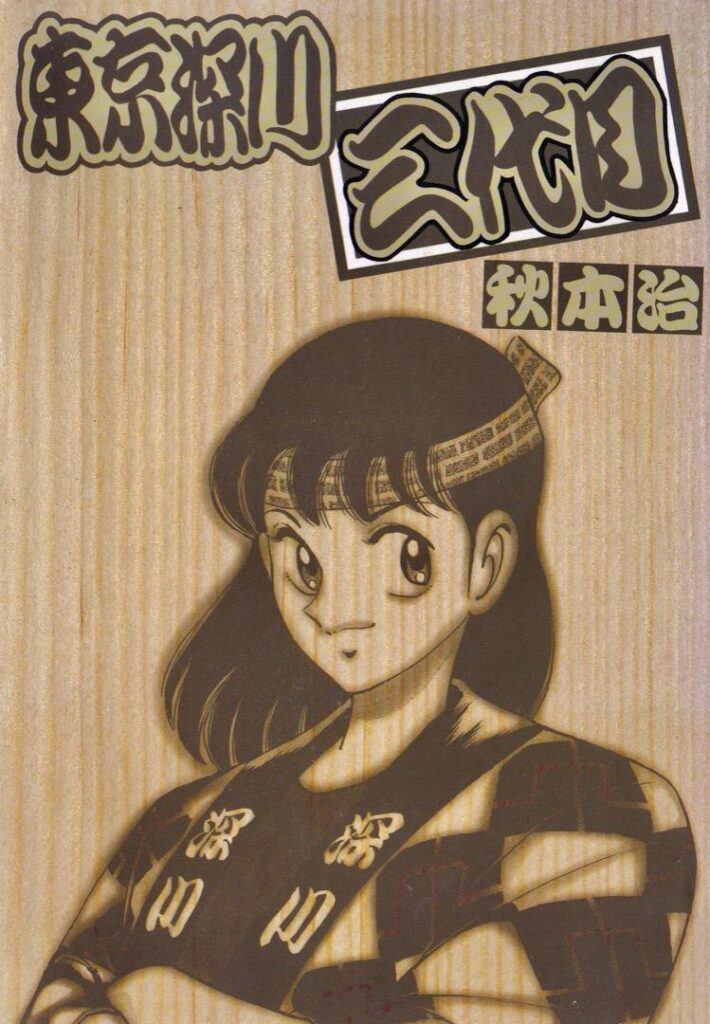
Tokyo Fukagawa Third Generation
「描くのはとても大変だったけど、描き上げてよかったと思える作品です」
“This series was very difficult to illustrate, but I’m glad I was able to complete it.”
Mr. Clice was originally published in Monthly Shonen Jump starting in the December 1985 issue with an infrequent release until 2003. At the time of this article’s release in 1998, only 2 volumes of the manga had been released. The remaining volumes that collected the chapters published in Monthly Shonen Jump would release in 2001, 2002, and 2003. Beginning in 2017, the series entered a more formal serialization and would be published in Jump SQ until 2018 and then in Jump SQ. Rise.
Tokyo Fukagawa Third Generation (東京深川三代目) ran in Super Jump magazine between 1987 through 1990. These 6 chapters were then compiled into a volume released in February 1991.