


To celebrate Weekly Shonen Jump‘s 25th anniversary, Shueisha decided to create a new style event to promote it’s history for the fans. The name of the event was called “Weekly Jump Multi World” and was a exhibition that was held in the Tokyo Dome Prism Hall between July 28th through August 15th, 1993. The event cost 700 yen for admission and guests were able to receive as special booklet which highlighted some of the items on display. The booklet was never available for sale directly. Over 48 authors provided new illustrations and congratulatory messages for this anniversary and are documented in this booklet and this is one of them. To help provide context to this profile that was captured in 1993, we have included some additional information to supplement the transcription and rough English translation.
| Name | Masaya Tokuhiro (徳弘正也) |
| Date of Birth | March 1, 1959 |
| Birthplace | Kochi Prefecture |
| Blood Type | A |
| Debut Work | “Kanojo no Miryoku wa Sankakukin?” (Fresh Jump) in 1983 ’83 『彼女の魅力は三角筋?』 (フレッシュジャンプ) |
| 1st Jump Serialization | “Shape Up Ran” 『シェイプアップ乱』 |
| Additional Info | His striking visuals and unique sensibility with gag manga with “Shape Up Ran” and “Jungle King Tar-chan ♡” are very popular! 『シェイプアップ乱』、 『ジャングルの王者ターちゃん♡』 など、独特な感性のパワフルなギャグマンガが大人気! |
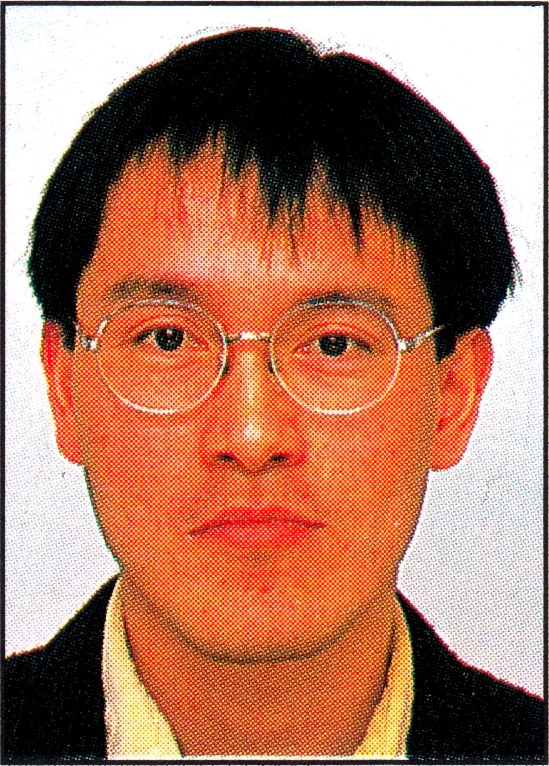
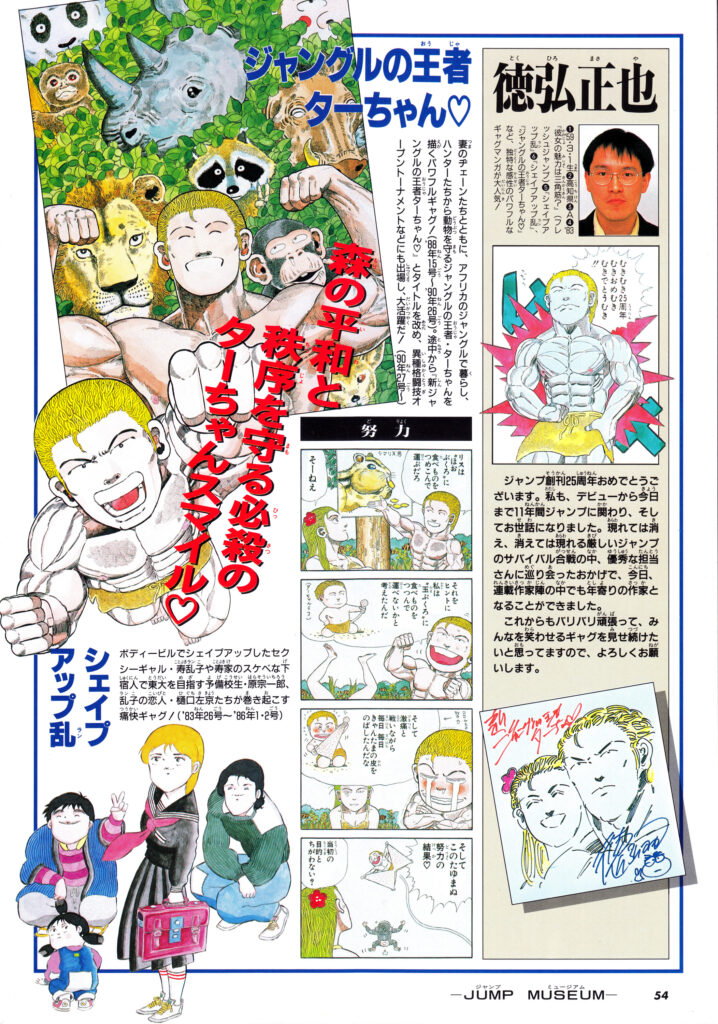
To celebrate Weekly Shonen Jump‘s 25th anniversary, Masaya Tokuhiro provided this illustration and comment, which have been roughly translated below:
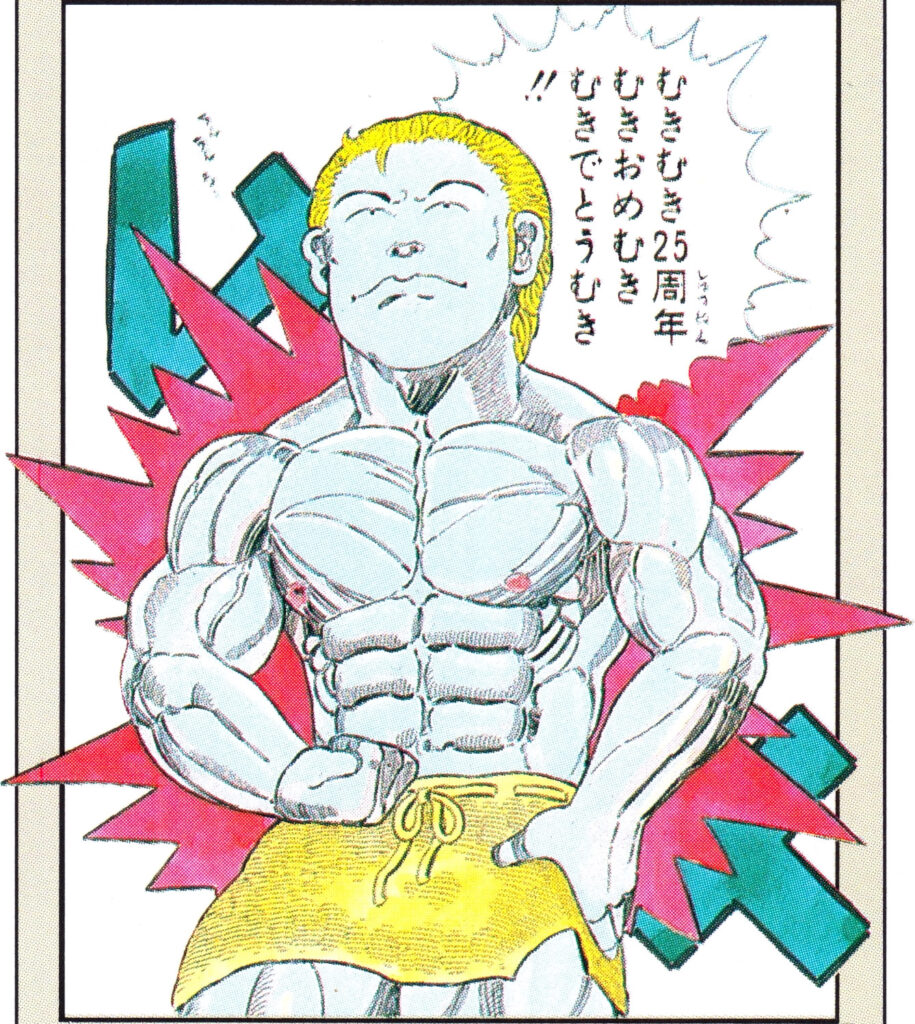
むきむき25周年
むきおめむき
むきでとうむき!!!
25th anniversary strong!
Show your muscles!
Its thank-pecs!!!
ジャンプ創刊25周年おめでとうございます。私も、デビューから今日まで11年間ジャンプに関わり、そしてお世話になりました。現れては消え、消えては現れる厳しいジャンプのサバイバル合戦の中、優秀な担当さんに巡り会ったおかげで、今日、 連載作家陣の中でも年寄りの作家となることができました。
これからもバリバリ頑張って、みんなを笑わせるギャグを見せ続けたいと思ってますので、よろしくお願いします。
Congratulations on the 25th anniversary of Jump’s launch. I’ve been working with Jump for the last 11 years, from my debut until today, and they’ve been good to me. In the tough battle for survival in Jump, where people appear and disappear many times, I was able to work with some excellent editors which allowed me to be one of the longest running authors still serialized today.
I’d like to continue to work hard and keep showing gags that will make everyone laugh, so please continue to support me.
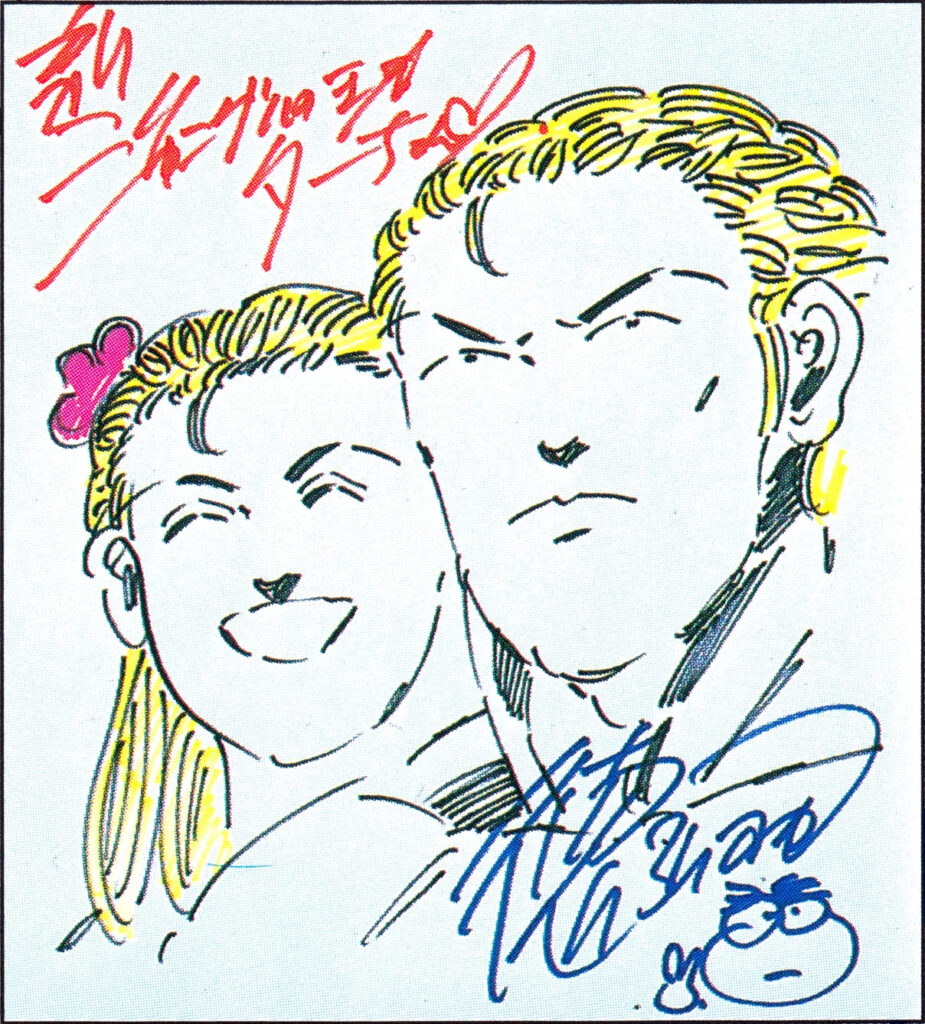
He also provided this shikishi for the event based on his current series at the time Jungle King Tar-chan:
In the middle of the article there is a short summaries of the Shape Up Ran, Jungle King Tar-chan, and New Jungle King Tar-chan manga series.
The article ends with a 4-panel manga titled “Effort” (努力) which was enlarged and shown on display at the Jump Multi World event in 1993. A rough English translation of the manga is included below:
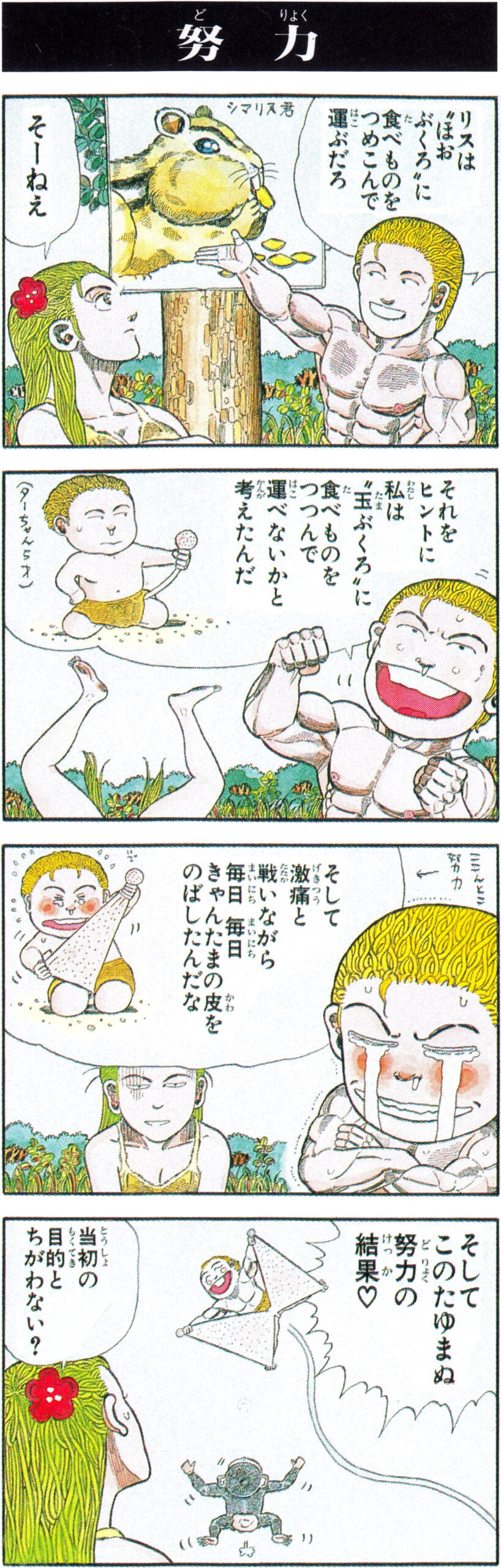
Panel 1:
“Squirrels can carry food in their “cheek pouches.”
Sign: Chipmunk-kun
“Yeah.”
Panel 2:
“Taking inspiration from that, I came up with the idea of wrapping food in my “ball bag” to carry it around.”
(5 year old Tar-chan)
Panel 3:
(Continued effort)
“So everyday I push through the pain to stretch out the skin of my balls.”
Panel 4:
“And this is the result of that tireless effort ♡”
“Isn’t this different from your original idea?”
The following is some additional context and information not included in the article:
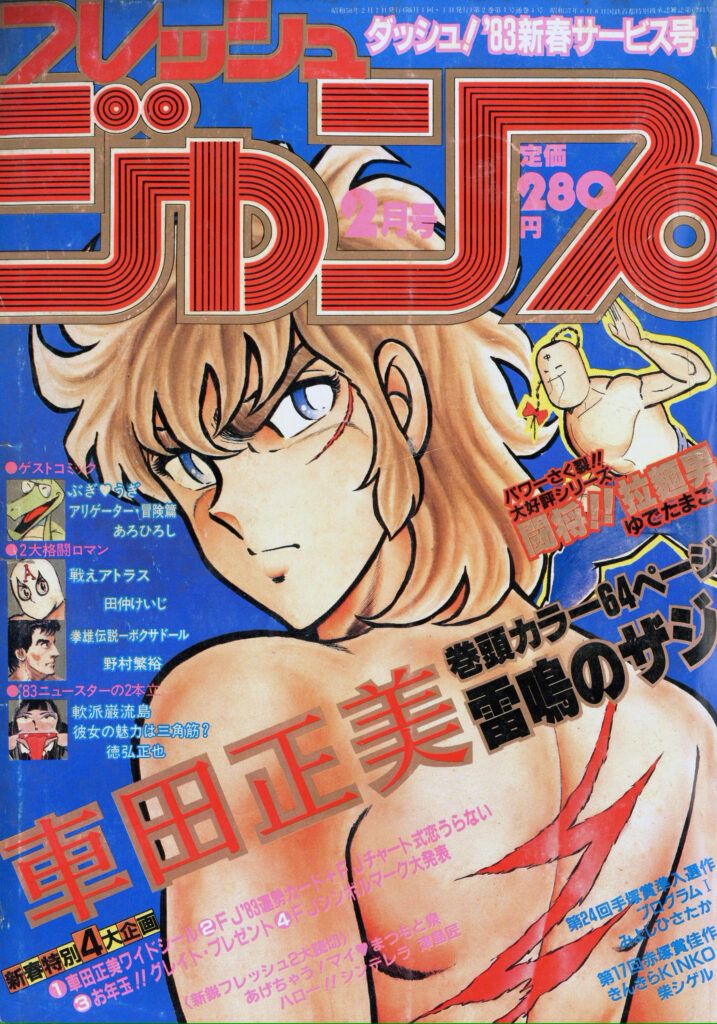
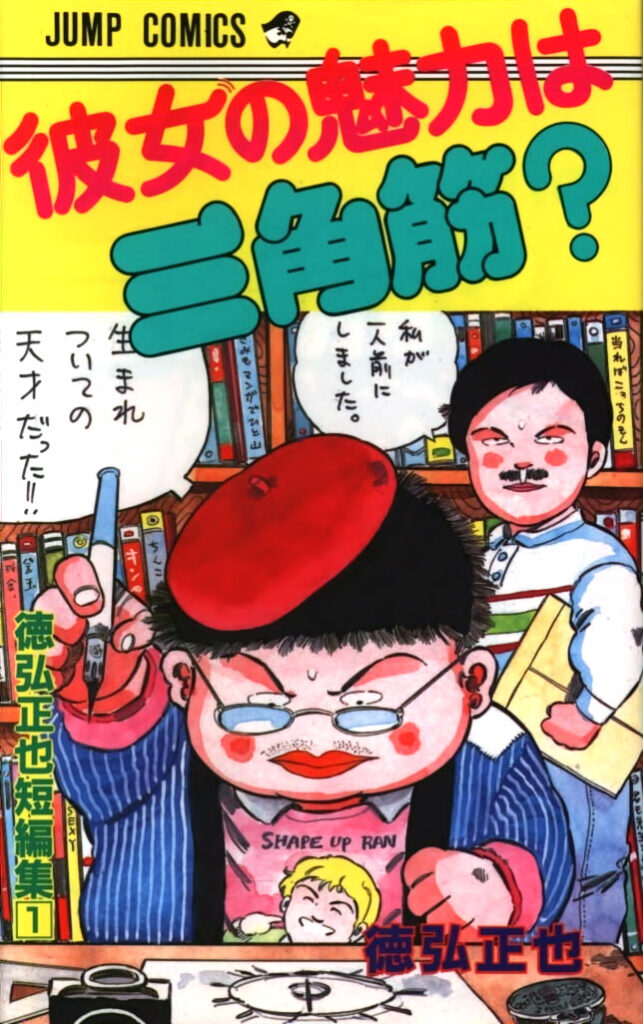
In the February issue of Fresh Jump in 1983, Masaya Tokuhiro had two published oneshots, Kanojo no Miryoku wa Sankakukin? (彼女の魅力は三角筋?) and Nanpa Ganryuujima (軟派巌流島). The Kanojo no Miryoku wa Sankakukin? oneshot was later adapted into the Shape Up Ran manga series and was the title of the book that collected his short stories from the 80s. This short stories collection volume also included the oneshot Bijo wa Nikuryouri ga Otokui (美女は肉料理がお得意) where he won the 1982 Akatsuka Prize Honorable Mention Award.
In Masaya Tokuhiro’s debut publication in Fresh Jump he had the following author’s comment (with a rough English translation):
中学のころ見た『燃えよドラゴン』の影響でボクの人生はガラリかわったのだ
My life changed forever when I watched “Enter the Dragon” in Junior High School.
“Enter the Dragon” was a film released in 1973 staring Bruce Lee before his death later that year. It released in Hong Kong in July 1973, followed by a Japanese release in December 1973.
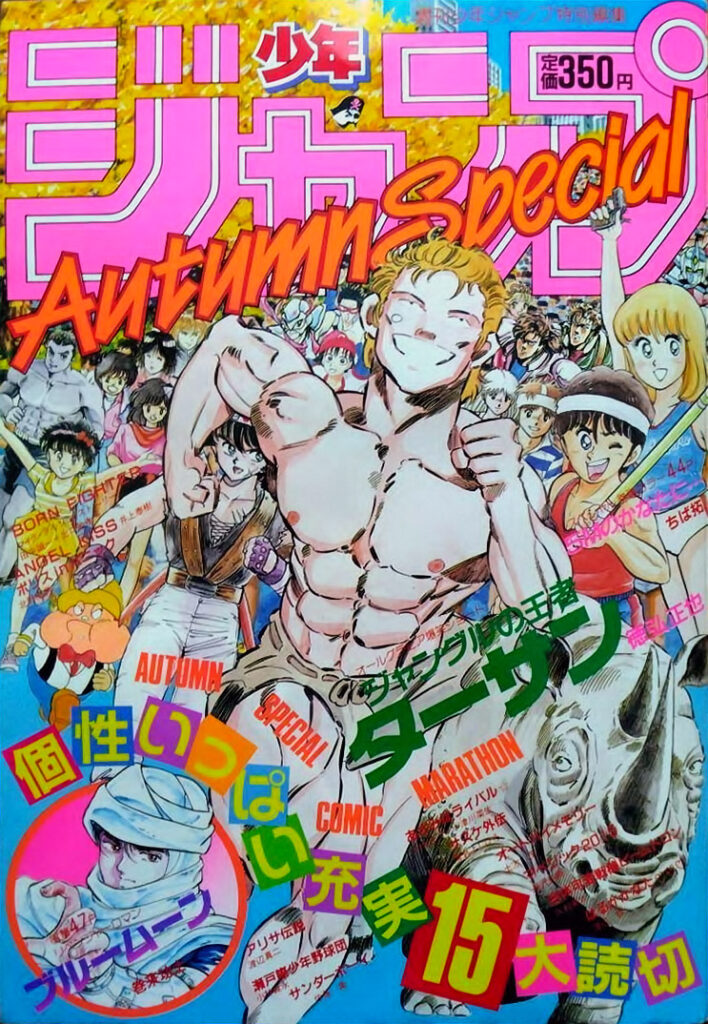
The Jungle King Tar-chan oneshot was originally published in the 1986 Weekly Shonen Jump Autumn Special. It was featured on the front of the group cover of the issue and had the lead color opening. For the author’s comment on the table of contents, Masaya Tokuhiro wrote this (with a rough English translation provided below):
ワク線から色ぬりまで全部ひとりで、のんびり楽しく書きました。仕事を大事にする漫画家です。
From drawing the outlines to coloring, I do it all myself in a relaxed and enjoyable manner. I’m a mangaka who’s engaged in their work.
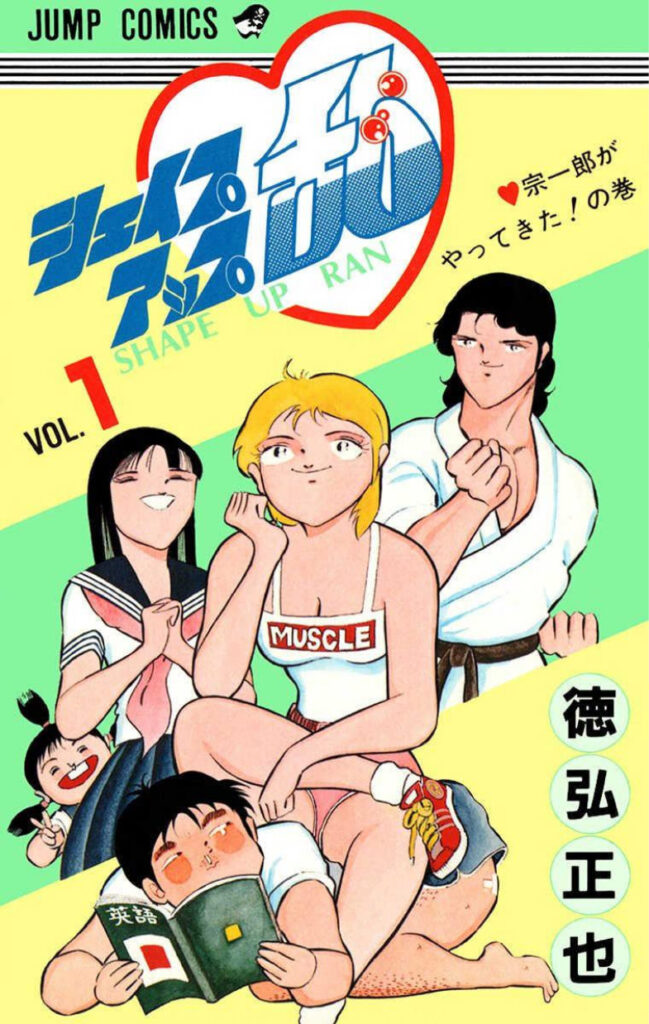
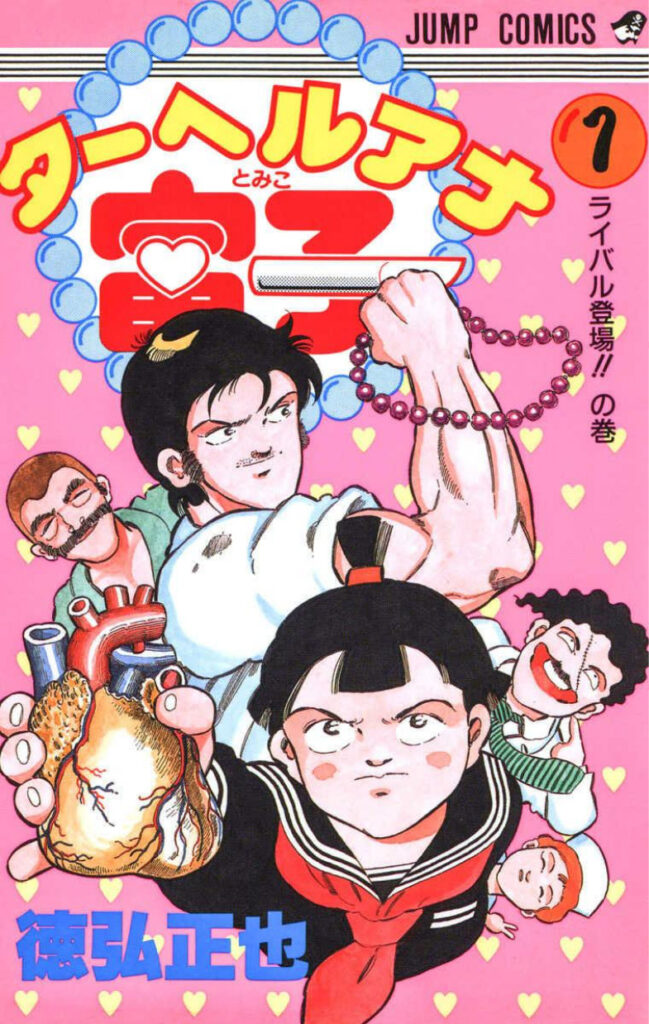
The Shape Up Ran (シェイプアップ乱) manga started its serialization in Weekly Shonen Jump in 1983 with issue 26. It would continue for 128 chapters and end in the first issue in 1986. Masaya Tokuhiro then created the short series Tafel Anatomiko (ターヘルアナ富子) starting in issue 22 in 1986 for Weekly Shonen Jump, but it would end only 15 chapters later. Two years later, in issue 15 of Weekly Shonen Jump in 1988, the Jungle King Tar-chan series would begin with 2 chapters in that issue. It would run under that title until issue 26 in 1990 with 112 chapters. The series was then renamed to New Jungle King Tar-chan and continued in the following issue (#27 in 1990) with the chapter numbering from the original series. By the last issue of 1993, the series had 283 chapters. The series would later end in 1995’s 18th issue for a total of 347 chapters in the Weekly Shonen Jump magazine.
For Masaya Tokuhiro’s claim on being one of the longest running mangaka in Weekly Shonen Jump still serialized in 1993, below is the grid for the other mangaka with their first serializations and length of time (as of the 1st issue of 1993) for comparison:
| Author | First Serialization Year | Years Since First Serialization |
|---|---|---|
| Osamu Akimoto | 1976 | 17 years |
| Koji Koseki | 1980 | 13 years |
| Akira Toriyama | 1980 | 13 years |
| Tetsuo Hara | 1982 | 11 years |
| Hirohiko Araki | 1983 | 10 years |
| Masaya Tokuhiro | 1983 | 10 years |
The Keiji series by Mio Aso, Keiichiro Ryu, and Tetsuo Hara would end in issue 33 in 1993, which depending on when the claim was made could have reduced the list of mangaka. All of the other mangaka on the list were the sole creators of their currently running series at the time.


