

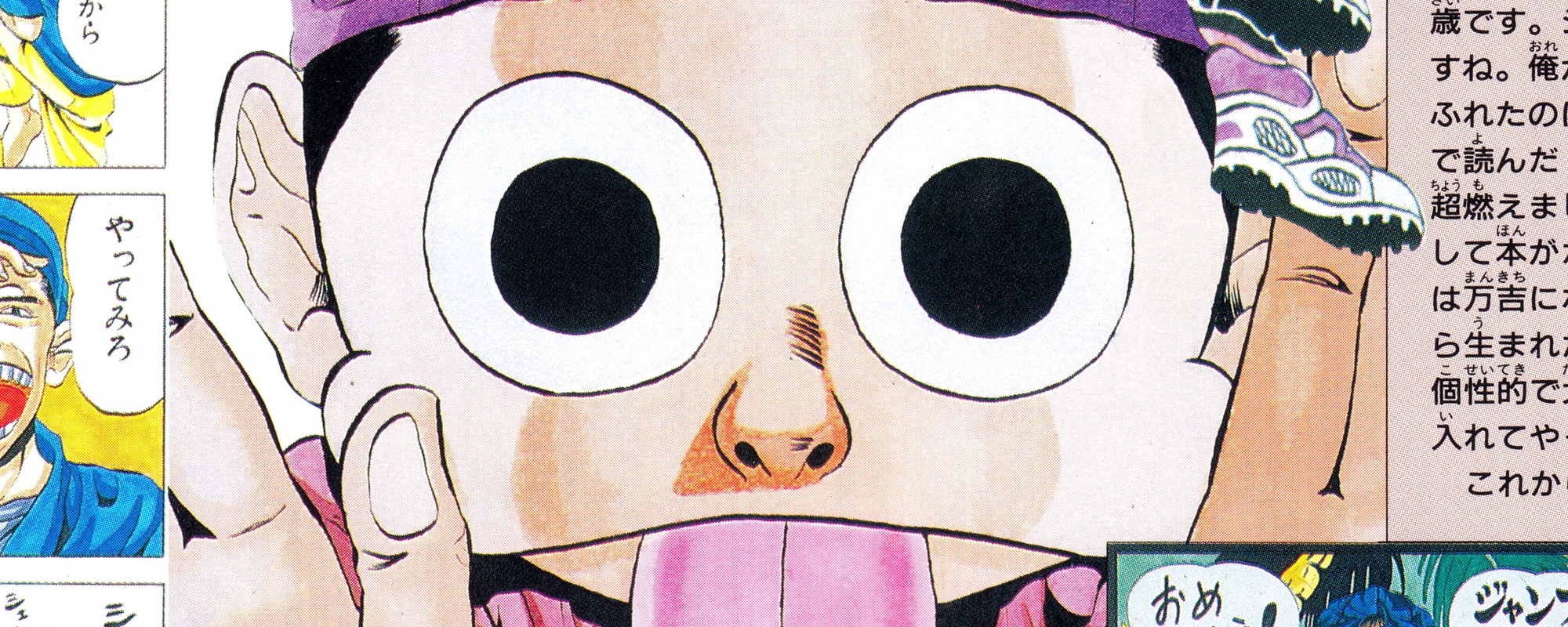
To celebrate Weekly Shonen Jump‘s 25th anniversary, Shueisha decided to create a new style event to promote it’s history for the fans. The name of the event was called “Weekly Jump Multi World” and was a exhibition that was held in the Tokyo Dome Prism Hall between July 28th through August 15th, 1993. The event cost 700 yen for admission and guests were able to receive as special booklet which highlighted some of the items on display. The booklet was never available for sale directly. Over 48 authors provided new illustrations and congratulatory messages for this anniversary and are documented in this booklet and this is one of them. To help provide context to this profile that was captured in 1993, we have included some additional information to supplement the transcription and rough English translation.
| Name | Koji Kiriyama (桐山光侍) |
| Date of Birth | April 5, 1968 |
| Birthplace | Tokyo |
| Blood Type | A |
| Debut Work | “Chikyū no ue no iron’na anata” in 1988 (Weekly Young Magazine) ’88『地球の上のいろんなあなた』(週刊ヤングマガジン) |
| 1st Jump Serialization | “Ninku” 『“NINKŪ 一忍空一』 |
| Additional Info | Following the end of “Sengoku Koshien” (Weekly Shonen Sunday), his new story started in Weekly Shonen Jump. The unique atmosphere and touch are its charm 『戦国甲子園』(週刊少年サンデー) 終了後、週刊少年ジャンプで連載を開始。独特の雰囲気とタッチが魅力。 |
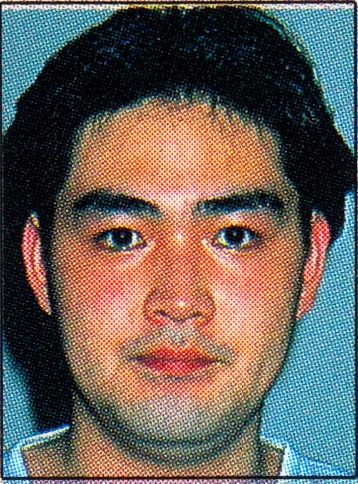
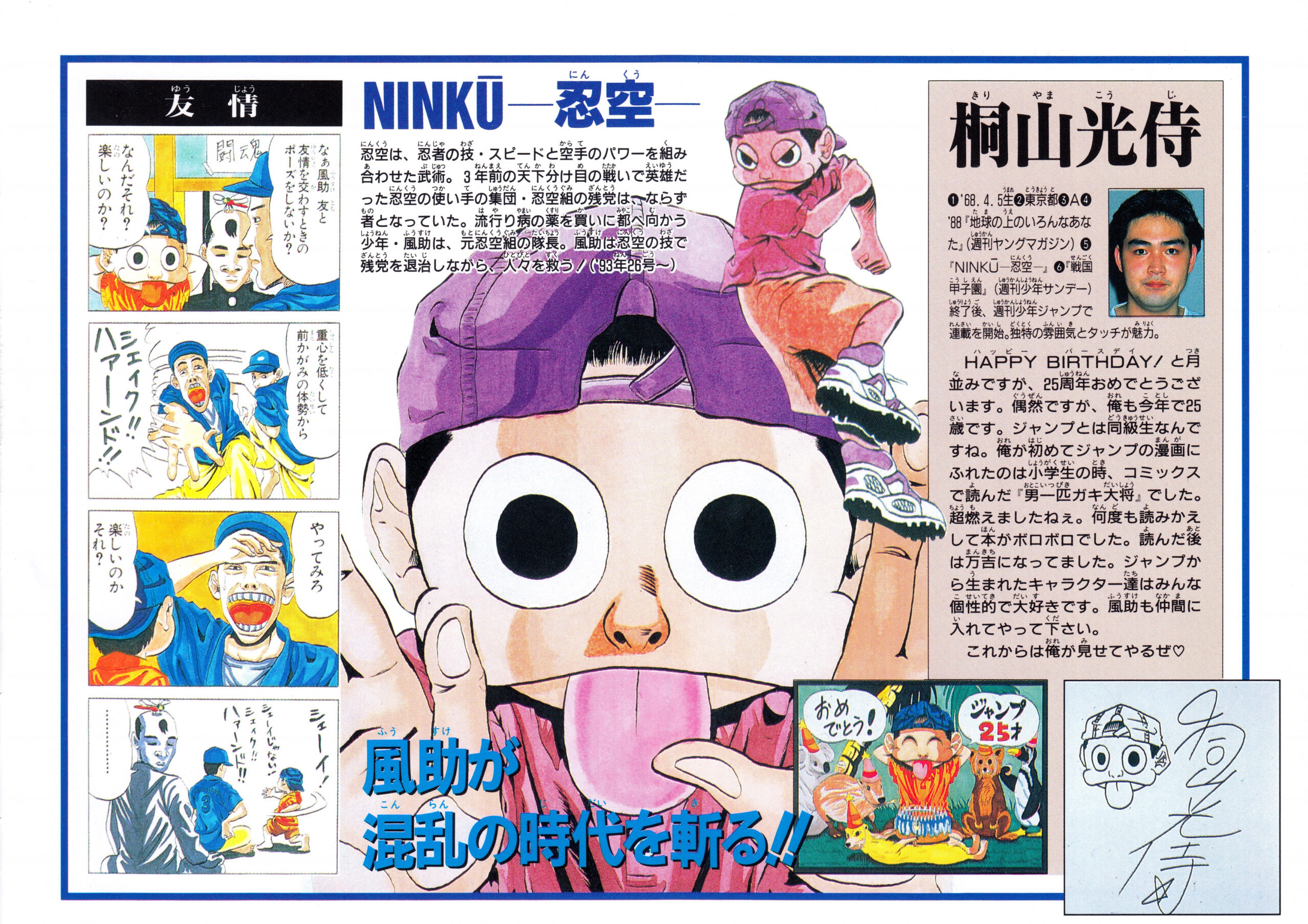
To celebrate Weekly Shonen Jump‘s 25th anniversary, Koji Kiriyama provided this illustration, shikishi, and comment, which have been roughly translated below:
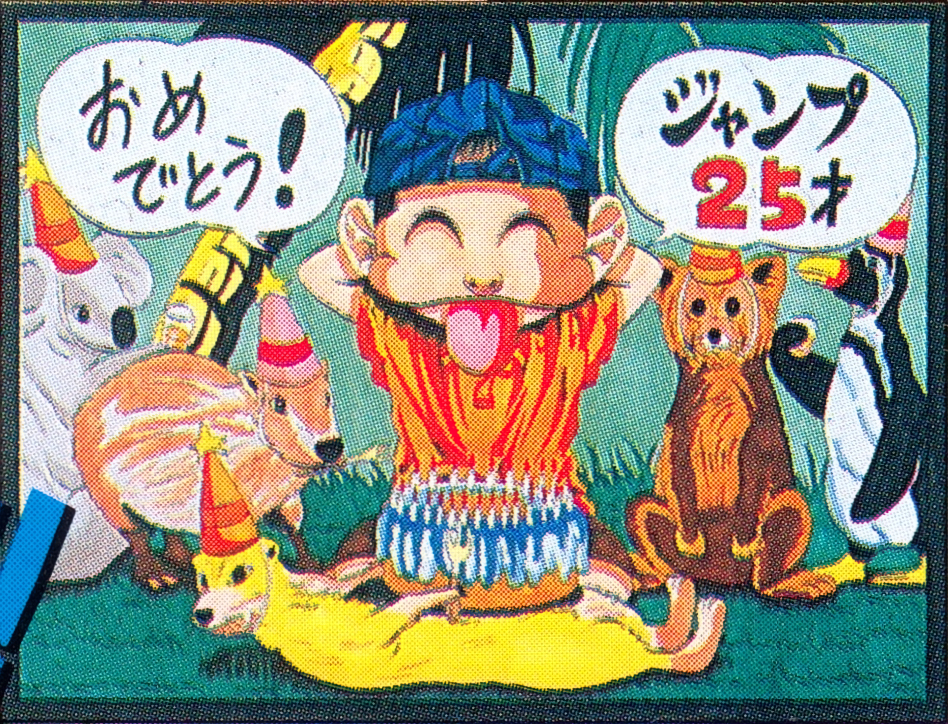
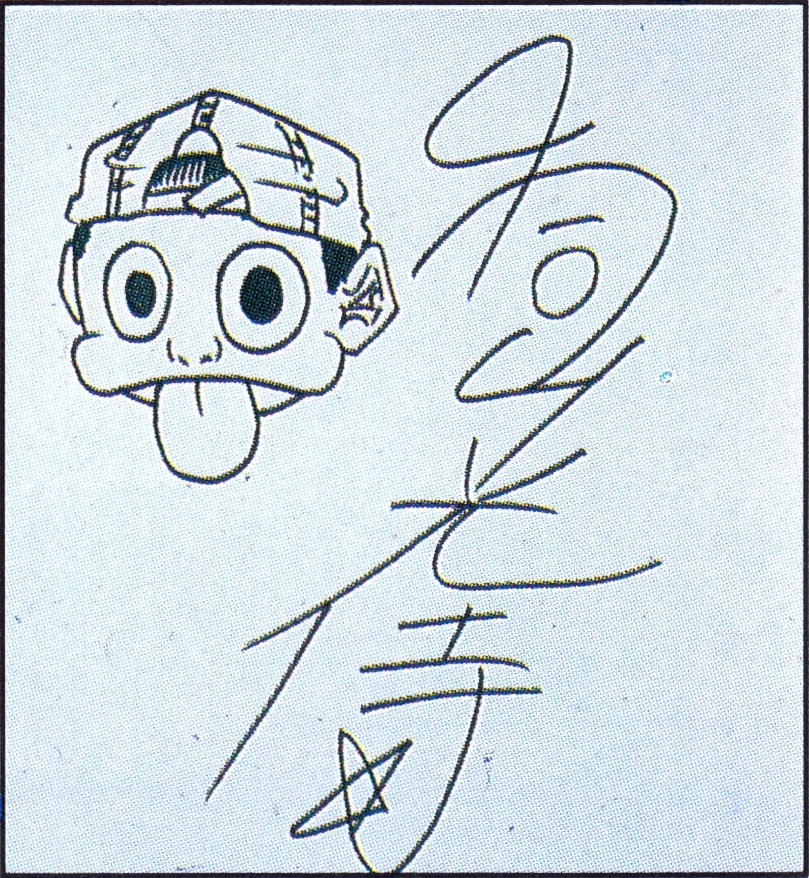
ジャンプ 25才
おめでとう!
Jump is 25
Congrats!
HAPPY BIRTHDAY! と月並みですが、25周年おめでとうございます。偶然ですが、俺も今年で25歳です。ジャンプとは同級生なんですね。俺が初めてジャンプの漫画にふれたのは小学生の時、コミックスで読んだ『男一匹ガキ大将』でした。超燃えましたねぇ。何度も読みかえして本がボロボロでした。読んだ後は万吉になってました。ジャンプから生まれたキャラクター達はみんな個性的で大好きです。風助も仲間に入れてやって下さい。
これからは俺が見せてやるぜ♡
Happy Birthday! It may be cliche, but congratulations on your 25th anniversary. I’m also turning 25 this year too. Does that make me classmates with Jump? The first time I picked up a Jump manga was back in elementary school by reading the volumes of “Otoko Ippiki Gaki Daisho.” It was super exciting. I kept re-reading it until the book fell apart. I’ve become Mankichi because of it. I love all the unique characters that have been born in Jump. Please include Fūsuke in that group too.
I’ll give it my best going forward ♡
The middle of the article gives a summary of the Ninku manga series featuring the protagonist Fūsuke, which ran in Weekly Shonen Jump started in issue 26 in 1993 and was on-going at the time of this article.
The article ends with a 4-panel manga titled “Friendship” (友情) which was enlarged and shown on display at the Jump Multi World event in 1993 (with a rough English translation provided):
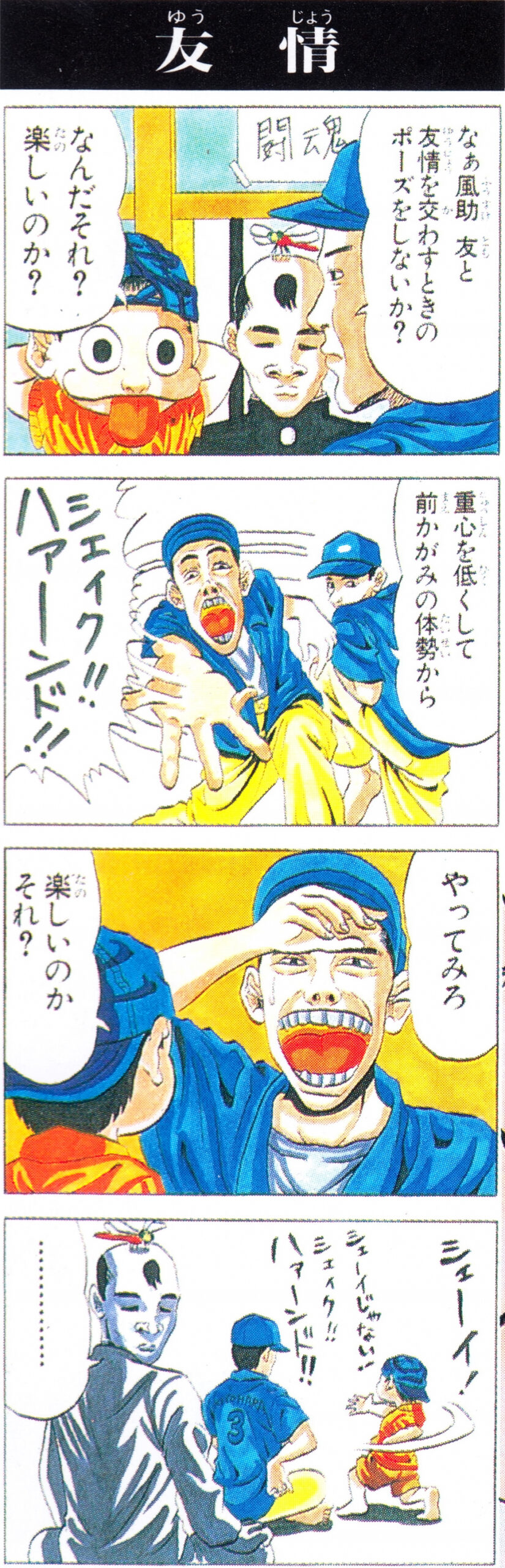
Panel 1:
“Hey Fūsuke, why don’t we create a friendship pose together?”
Sign: Fighting Spirit
“What’s that? Is it fun?”
Panel 2:
“Just lower your hips and lean forward.”
“Shake!! Ha~nd!”
Panel 3:
“You try it.”
“That’s it?”
Panel 4:
“Shook!”
“It’s not ‘shook'”
“Shake!!”
“Ha~nd!”
“………”
The following is some additional context and information not included in the article:
As mentioned in the author’s comment for the article, Otoko Ippiki Gaki Daishou was created by Hiroshi Motomiya (本宮ひろ志) and was one of the first break-out hits of the magazine in its first year of publication. That series would run for 160 chapters and Mankichi was the name of the lead character.
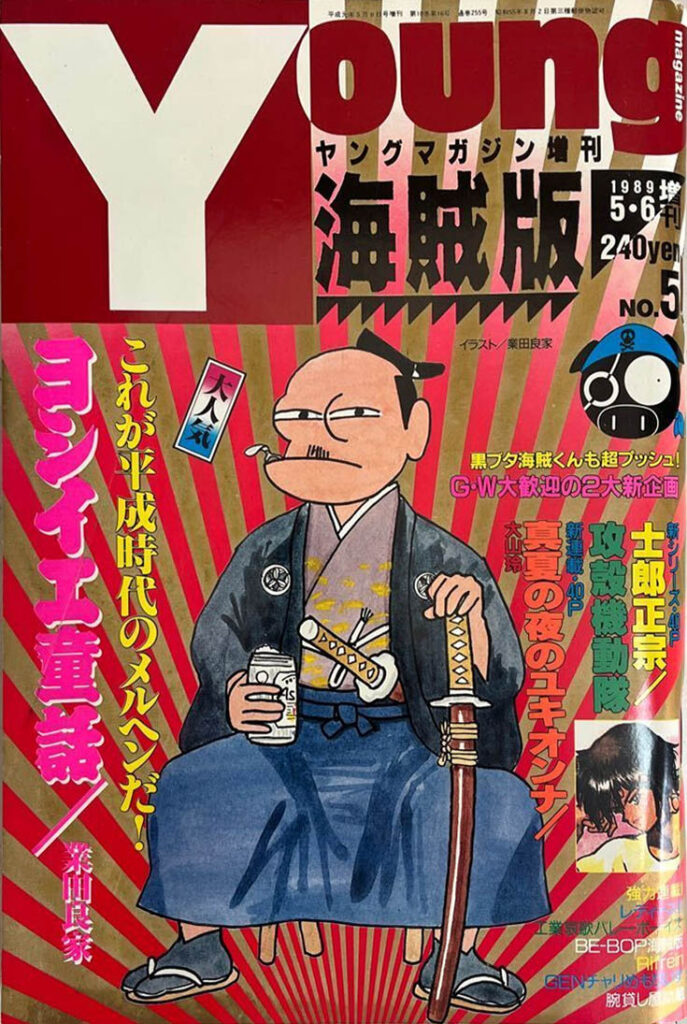
The oneshot Chikyū no ue no iron’na anata was published in Kodansha’s Young Magazine Zōkan Kaizokuban (Young Magazine Extra Pirate Edition) issue 5 in 1989. This issue was also notable since it contains the start of the new manga serialization Koukaku Kidou Tai (攻殻機動隊) by Masamune Shirow (士郎 正宗) which would later be more commonly known as Ghost in the Shell. When it was published, he used his real name, 桐山 浩二, which is pronounced the same as his pen name, Koji Kiriyama.
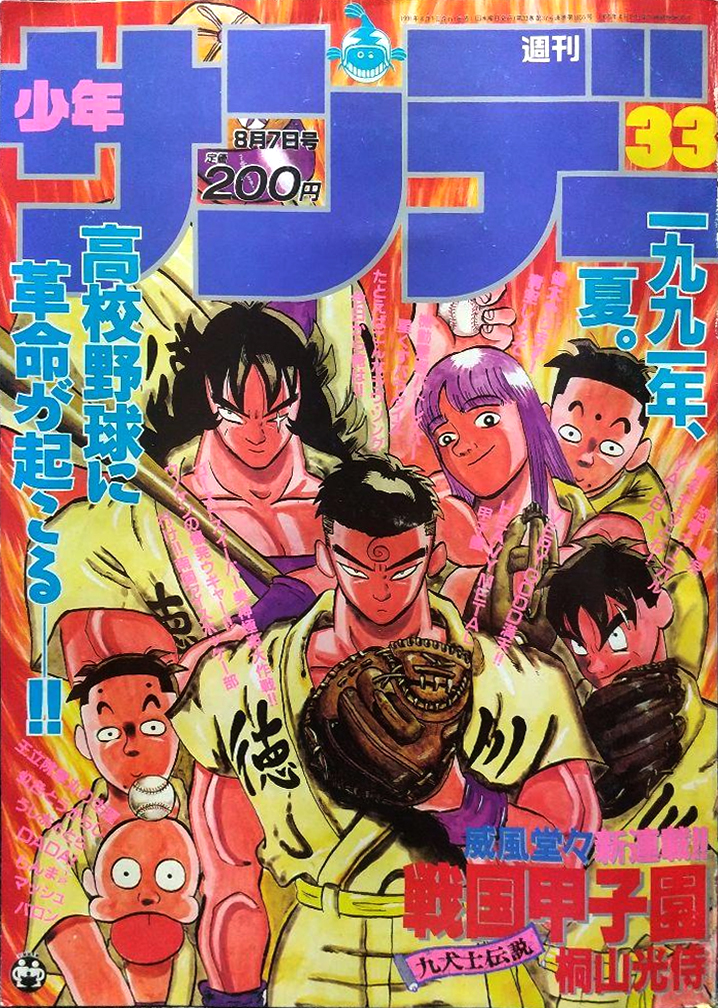
The Sengoku Koshien: Legends of the Nine Dogs (戦国甲子園〜九犬士伝説〜) manga started serialization in Shogakukan’s Shonen Sunday Special Edition issue 1 in 1991. The series would run in that magazine through issue 7 before transferring to Weekly Shonen Sunday issue 33 where it received the cover illustration. The series would be serialized in the magazine until issue 27 in 1992. The entire series, excluding the final 5 chapters, was published in 6 volumes by Shogakukan.
The Ninku manga would continue it’s run in Weekly Shonen Jump until issue 30 in 1994, concluding with 55 chapters. However in issue 51, the series would restart under the title of Ninku: Second Stage, which would run for an additional 27 chapters and ending in issue 38 in 1995.
Various websites list mangaka Hiroyuki Takei (武井宏之) improperly as an assistant working on the Ninku manga series. He only spent one day helping out with a single chapter as a courtesy by a request from the editors at Shueisha. When credited in scenarios like this, they are often as “special thanks” rather than staff or assistants for a series.


