

To celebrate the 30th anniversary of Weekly Shonen Jump, Shueisha ran a creator spotlight called “Great Jump!!” (すごい ジャン!!) to get some thoughts of their current artists about Jump. The creator spotlight started in the 1998 Weekly Shonen Jump issue 29 and continued through issues 33 with various different creators being highlighted.
The final part of this spotlight series continued with the 33rd Weekly Shonen Jump issue in 1998 with the following creators:
- Osamu Akimoto (Kochira Katsushika-ku Kameari Kōen Mae Hashutsujo, “Kochikame”)
- Haruto Umezawa (Hareluya II Boy)
- Kazushi Hagiwara (Bastard!! Heavy Metal, Dark Fantasy)
- Daisuke Higuchi (Whistle!)
- Yoshihiro Togashi (Hunter x Hunter)
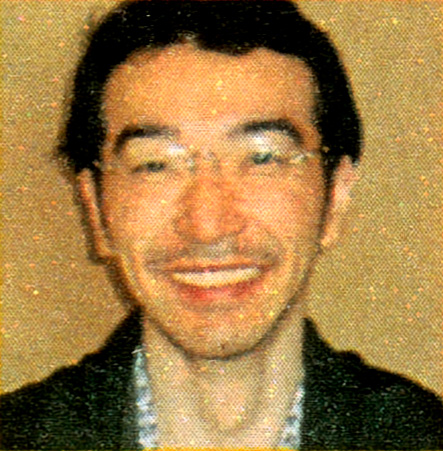
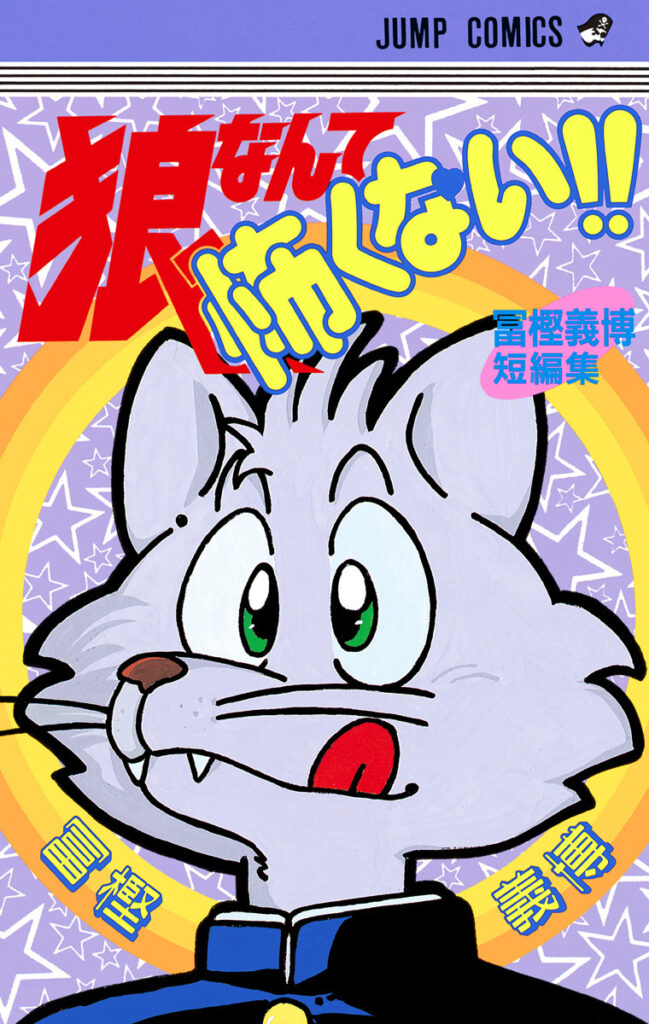
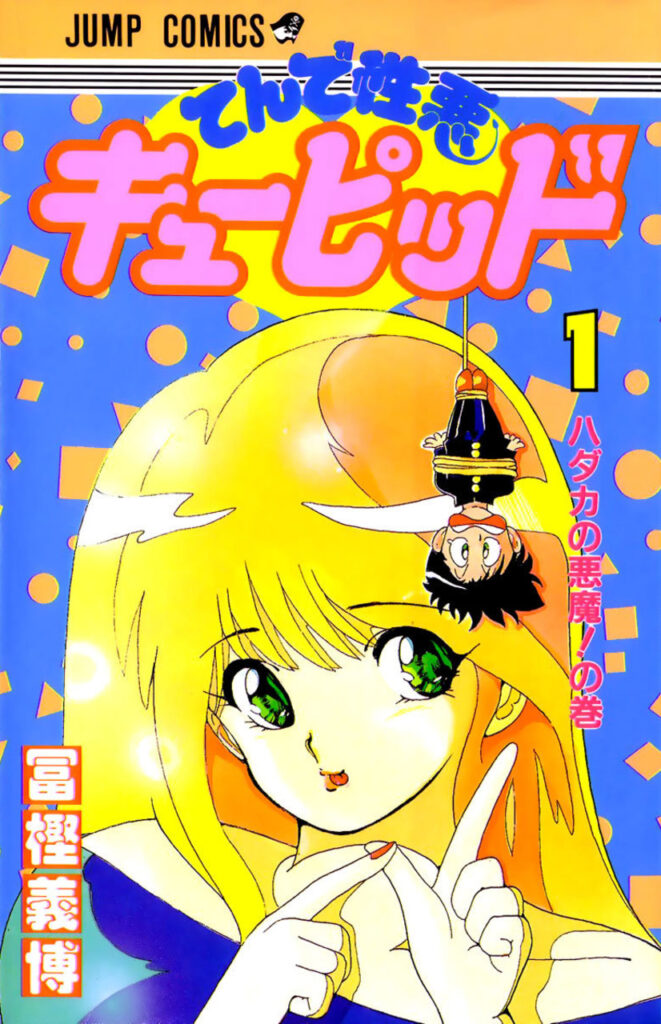
In this final interview for the entire “Great Jump!!” article series, Yoshihiro Togashi (冨樫 義博) was the final creator highlighted. Yoshihiro Togashi started his professional manga-ka career by winning the Tezuka Award for Buttobi Straight (ぶっとびストレート) and the honorable mention for the first Hop Step Award Selection for Jura no Mizuki (ジュラのミヅキ). Next he created a single volume release of Ōkami Nante Kowakunai!! (狼なんて怖くない!!) which released in on October 9, 1989. At that same time, he had his first full serialization of Tende Showaru Cupid (てんで性悪キューピッド) in Weekly Shonen Jump which ran until issue 13 in 1990 for a total of 32 chapters. Then starting at the end of 1990, he created very successful manga series Yu Yu Hakusho (幽☆遊☆白書) which ran for 176 chapters until 1994. In the following year, he started an infrequent serialization of Level E (レベルE), which would run for 16 chapters and eventually end in 1997. Yoshihiro Togashi then returned to a standard serialization with Hunter x Hunter (ハンター×ハンター) in 1998 issue 14, and is still an on-going series in Weekly Shonen Jump. Due to the author’s health complications, the series has taken many hiatuses from release, with the first longest break starting in 2006. At the time of this article being published in issue 33 of Weekly Shonen Jump in 1998, the series had only 18 chapters so far and Yoshihiro Togashi took one issue off (issue 27).
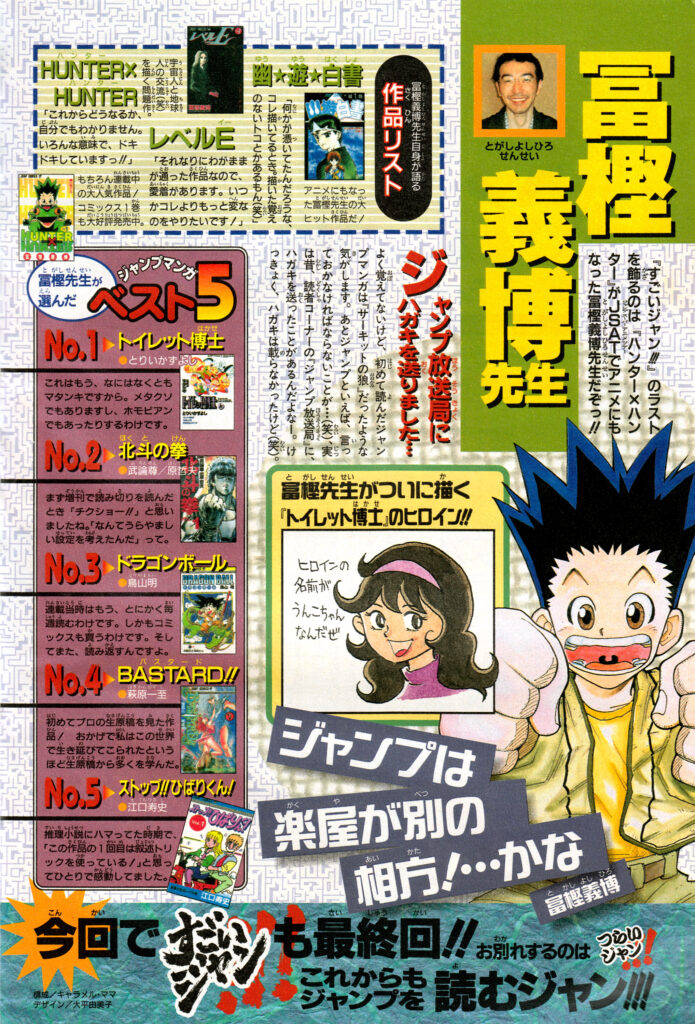
The article starts off with Yoshihiro Togashi providing some comments about his previous and on-going manga series which have been roughly translated.
Yu Yu Hakusho
「何かが憑いてたんだろうな、コレ描いてるとき。描いた覚えのないトコとかあるもん(笑)」
“I think I was possessed when I was drawing this. There are parts I don’t remember drawing at all (laughs)”
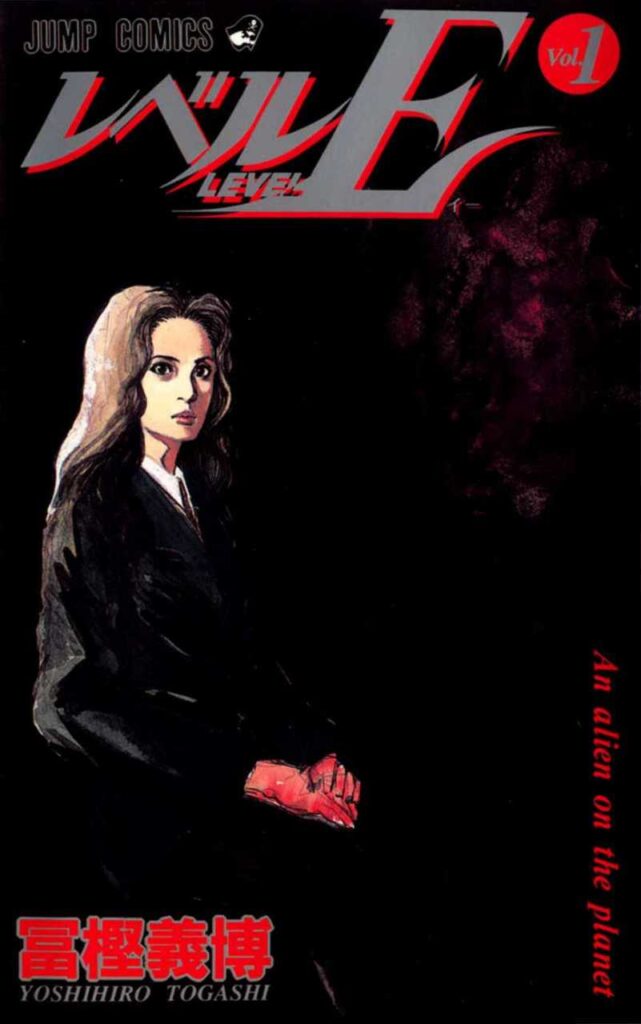
Level E
「それなりにわがままが通った作品なので、愛着があります。いつかコレよりもっと変なのをやりたいです!」
“I’m quite fond of this series since I was very selfish about it. I’d like to do something even crazier than this some day!”
Hunter x Hunter
「これからどうなるか、自分でもわかりません。いろんな意味で、ドキドキしていますっ!!」
“For what will happen next, even I don’t know. But I’m excited on where it could possibly go next!!”
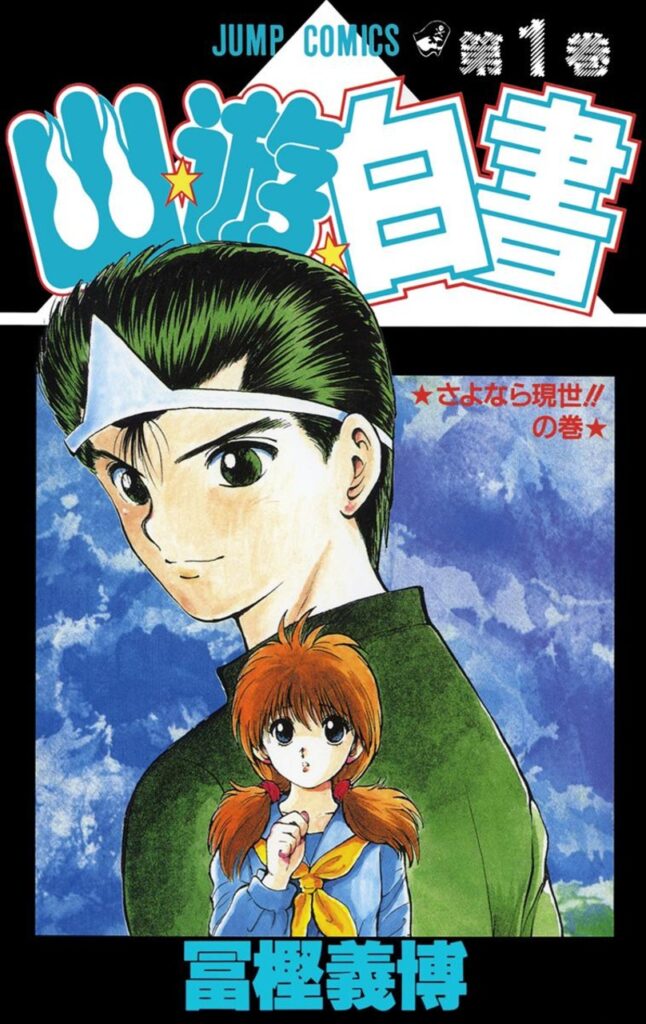
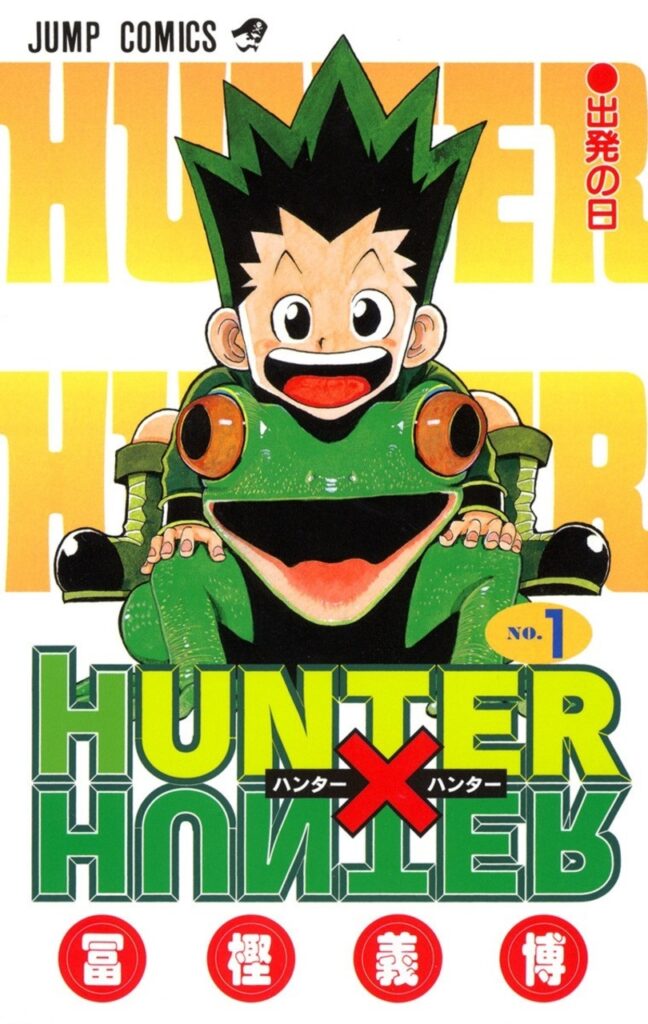
Both Yu Yu Hakusho and Hunter x Hunter manga series are available in English from Viz Media in both print and digital editions.
The article continues with asking Yoshihiro Togashi about his memories of Weekly Shonen Jump, which have been roughly translated below:
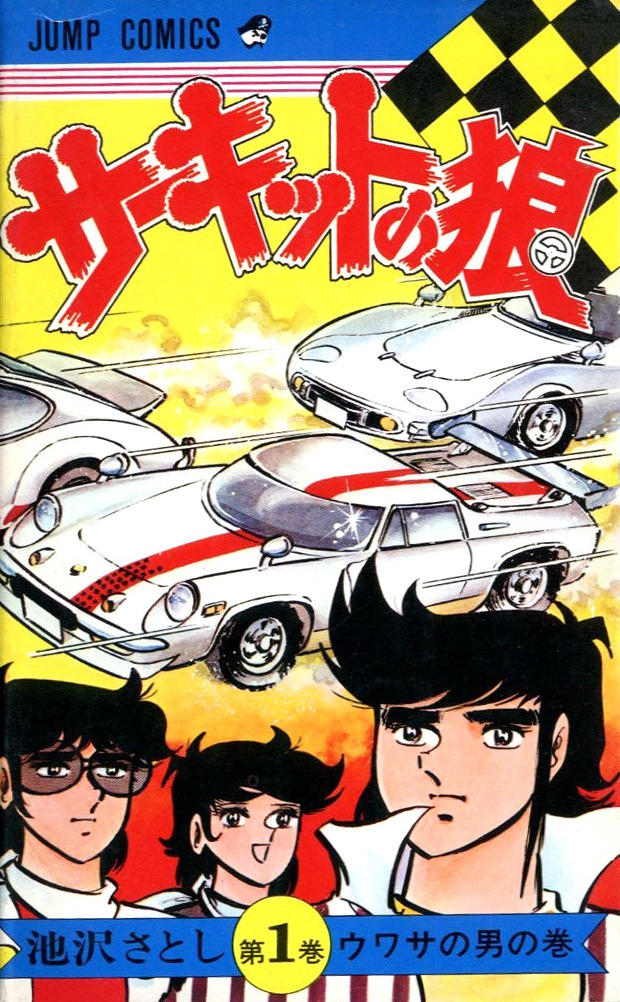
よく覚えてないけど、初めて読んだジャンプマンガは『サーキットの狼』だったような気がします。あとジャンプといえば、言っておかなければならないことが・・・(笑)、実は昔、読者コーナーの『ジャンプ放送局』に、ハガキを送ったことがあるんだよなー。けつきょく、ハガキは載らなかったけど(笑)。
I don’t really remember, but I think the first Jump manga I read was “Circuit Wolf.” But since we’re talking about Jump, there is something I need to admit to… (laughs) I actually once sent in a postcard to the reader’s corner for “Jump Broadcast Station.” But my postcard wasn’t selected to be published (laughs).
Circuit Wolf (サーキットの狼,) by Satoshi Ikezawa (池沢さとし) was a manga series that ran in Weekly Shonen Jump that started in issue 1 in 1975 and would run for 230 chapters. The series final chapter was in issue 32 in 1979. A portion of this manga was released in colored edition by “Animedia Dot Com” starting in February 2012 under their “ColorComix” branding. The volumes were released digitally as standalone apps and are currently only available still on the Amazon Appstore for Android (may have compatibility issues with modern devices).
The Jump Broadcasting Station (ジャンプ放送局) was a reader submission column that ran in Weekly Shonen Jump from October 1982 through December 1995. The column was formatted to parody a TV station, with a logo and name that was similar to TBS (Tokyo Broadcasting Station) and rotated topics and stories as if they were television programs. Fans could also submit postcards with their own drawings on them to be featured in the column and could compete for points to win prizes.
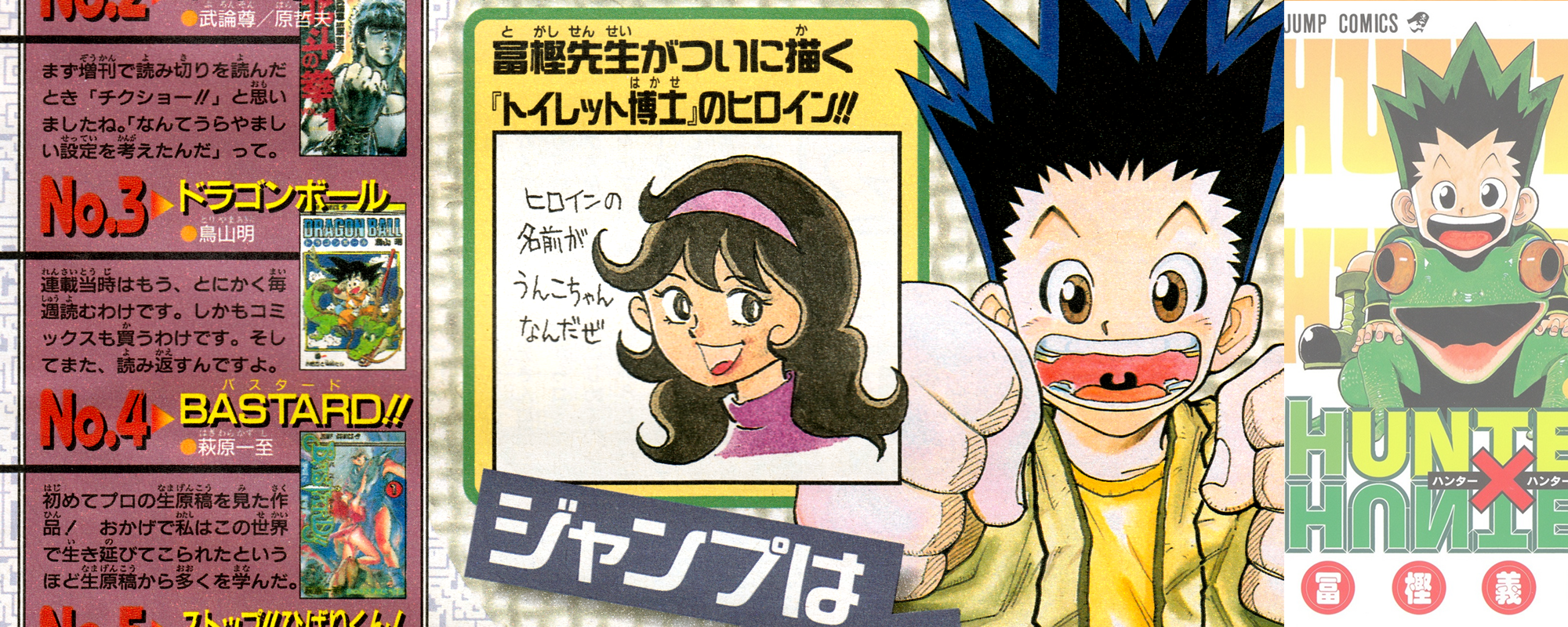
Next in article, Yoshihiro Togashi provides his top 5 manga recommendations along with his thoughts which have been roughly translated.
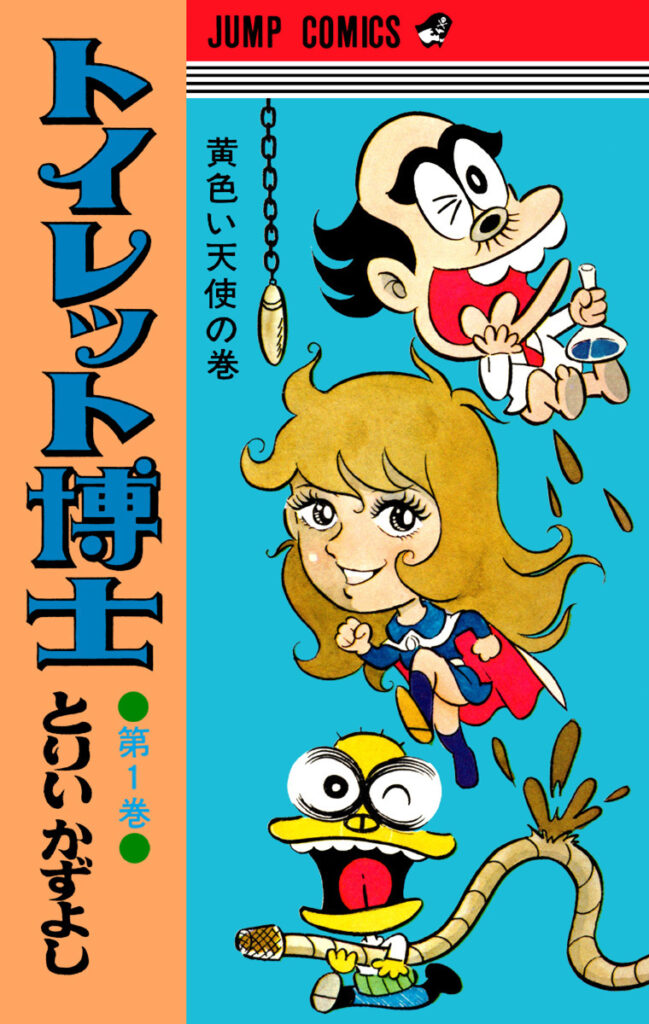
Professor Toilet
これはもう、なにはなくともマタンキですから。メタクンでもありますし、ホモビアンでもあったりするわけです。
The answer was always going to be Matanki, no matter what. They were always the Metakuso Gang, even with Homobian.
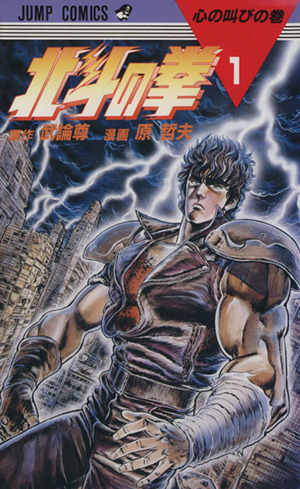
Fist of the North Star
まず増刊で読み切りを読んだとき「チクショー!!」と思いましたね。「なんてうらやましい設定を考えたんだ」って。
When I read the story my first impression was “Damn!!” “What an incredible setting you’ve developed.”
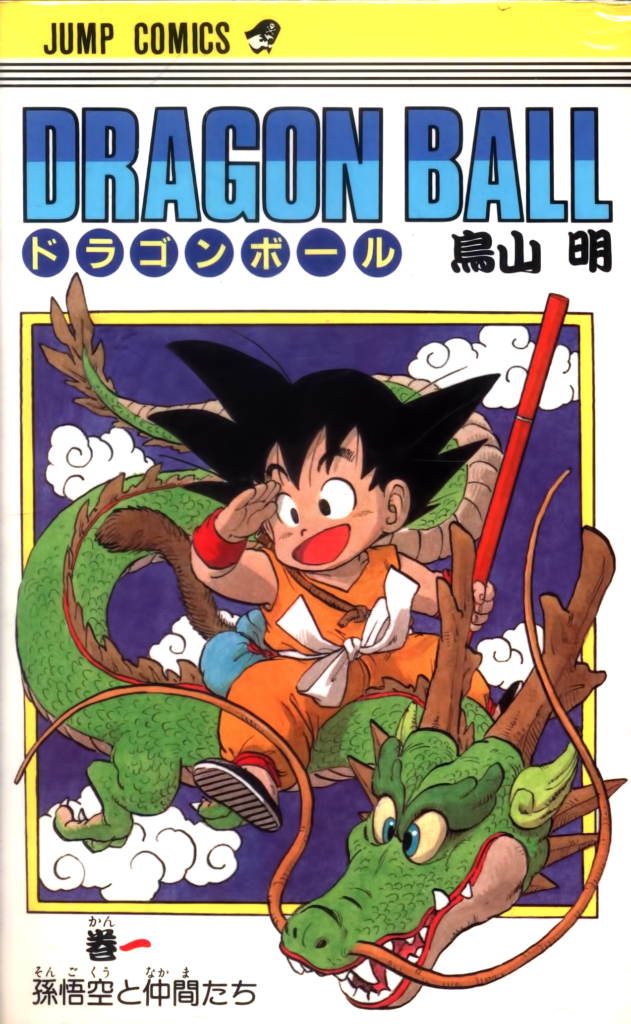
Dragon Ball
連載当時はもう、とにかく毎週読むわけです。しかもコミックスも買うわけです。そしてまた、読み返すんですよ。
When it was being serialized, I would read it every week. I would then buy the volumes. Then I would read it once more.
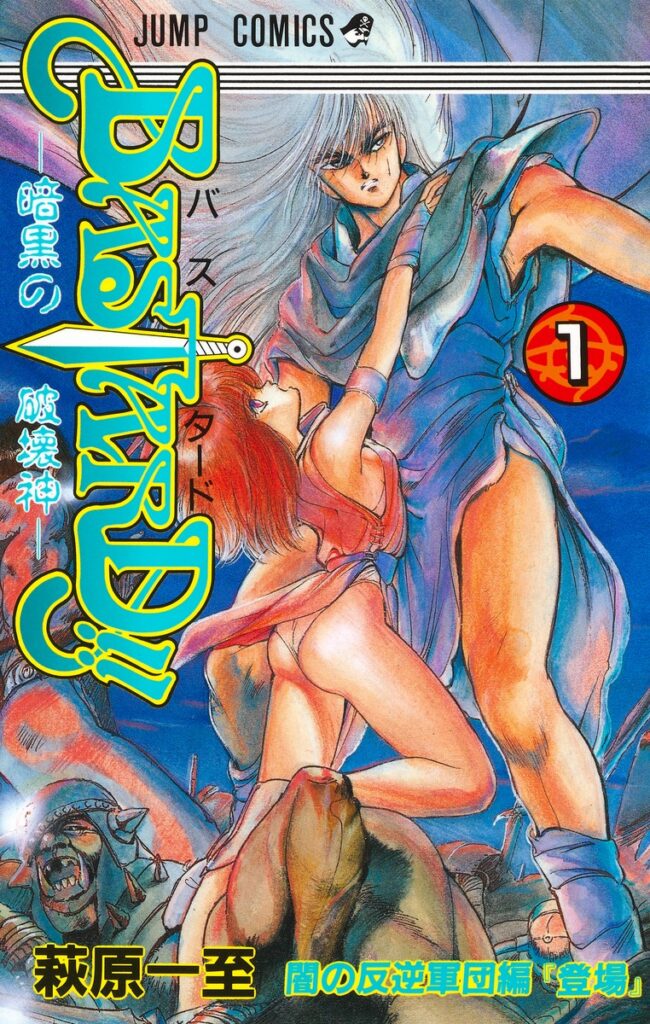
Bastard!! Heavy Metal, Dark Fantasy
初めてプロの生原稿を見た作品! おかげで私はこの世界で生き延びてこられたというほど生原稿から多くを学んだ。
This was the first professional manuscript that I saw in person. I’ve been able to survive in this world thank to what I learned from those original manuscripts.
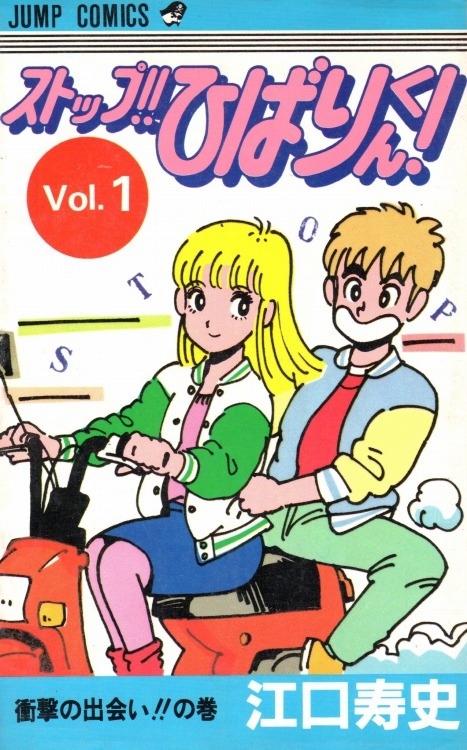
Stop!! Hibari-kun!
推理小説にハマってた時期で、「この作品の1回目は叙述トリックを使っている!」と思ってひとりで感動してました。
At the time I was into mystery novels, and thought “This first chapter is a great narrative deception!” I was impressed and thought about where that would go.
Professor Toilet (トイレット博士) was a gag manga drawn by Kazuyoshi Torii (とりいかずよし) which ran in Weekly Shonen Jump from 1970 through 1977 for a total of 319 chapters. Starting with the volume 12 of the series the series begins to shift its focus away from the title character Professor Toilet and towards the middle school group known as the “Metakuso Gang.” The password to enter their secret club room was “Mantanki”, but would later change to “Homobian” and then “Chinkoro Kankoro”, but later reverting to the fan favorite of “Matanki.” In addition to having badges to show their alliance with the group, their gang had the motto of “Friendship, Effort, Victory”, which would later become the unofficial motto for the Weekly Shonen Jump magazine and countless references in various series.
Fist of the North Star (北斗の拳), by Tetsuo Hara (Art) and Buronson (Story) ran from 1983 (issue 41) through 1988 (issue 35) for a total of 245 chapters in Weekly Shonen Jump. The original oneshot, by Tetsuo Hara, referenced in this comment was published in the April 1983 issue of Fresh Jump magazine and had a sequel oneshot in the June 1983 issue of the magazine. Buronson was brought in to write the story for the Weekly Shonen Jump serialization and shifted the setting from a modern-day to a post-apocalyptic setting.
Dragon Ball (ドラゴンボール) was drawn by Akira Toriyama and ran from 1984 through 1995 in Weekly Shonen Jump.
Bastard!! Heavy Metal, Dark Fantasy (BASTARD!! -暗黒の破壊神-) was drawn by Kazushi Hagiwara (萩原一至) and had an irregular release cycle. It originally started in Weekly Shonen Jump in 1988, before moving into the Weekly Shonen Jump Special magazine in 1990. In 1997 it moved back into Weekly Shonen Jump with an irregular release. It was still an on-going series at the time of this article’s publication.
Stop!! Hibari-kun! (ストップ!!ひばりくん!) was drawn by Hisashi Eguchi (江口寿史) and ran for 61 chapters between 1981 and 1983 in Weekly Shonen Jump magazine. Book publisher Peow2 has announced they will release the manga in English starting with volume 1 in Fall 2025.
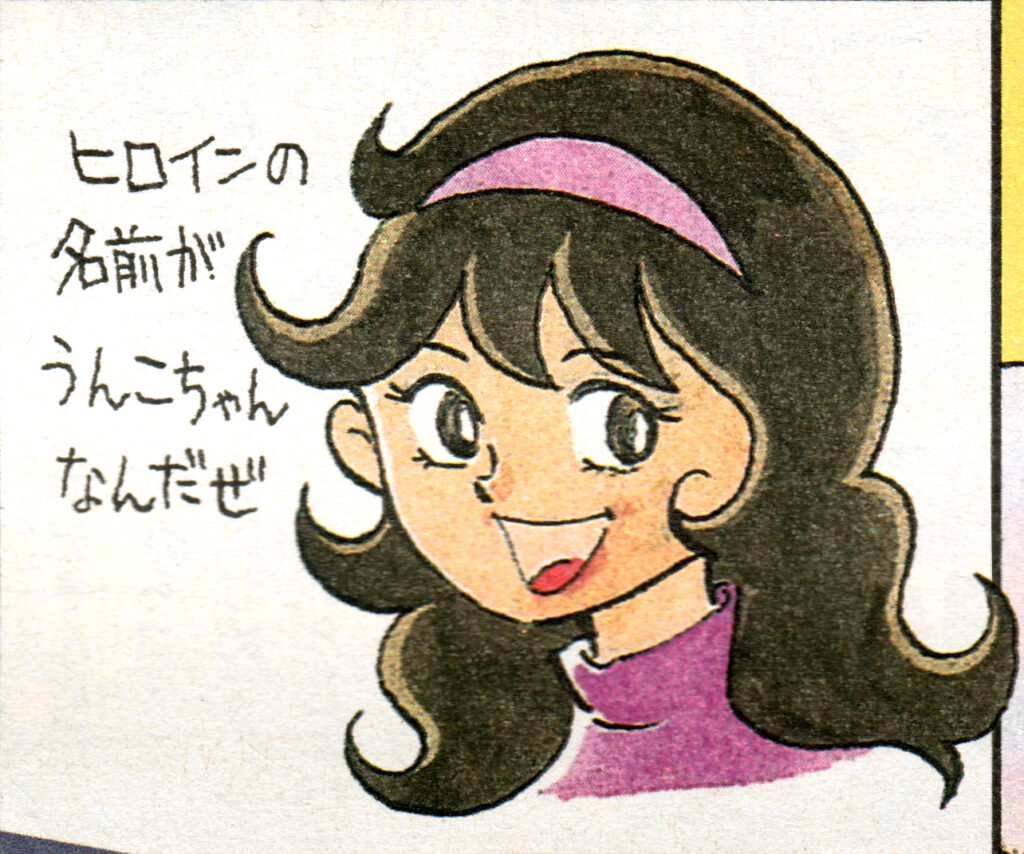
The article concludes with an original drawing by Yoshihiro Togashi of Unko-chan from Professor Toilet. The handwritten text roughly translates to “The heroine’s name is Unko-chan” (ヒロインの名前がうんこちゃんなんだぜ).
With this being the last article in the series a note at the bottom stating that this was the last chapter and that they hope fans will continue to read Jump. The composition of the article was done by Caramel Mama (キャラメル・ママ), an editorial production company that partners with Shueisha and Shogakukan. The design was done by Yumiko Ōhira (大平由美子).


